Twenty years ago, on the road as refugees, Qiao gave her seven-year-old son, A-Dou, to people in a refugee shelter who claimed to be "a good family."
They said they were taking him on as an apprentice, where he would have enough to eat. Before leaving, they even gave Qiao a small bag of rice.
As the woman led A-Dou away, he kept looking back at his mother. Qiao never forgot that look, or how the woman held his hand and coaxed him: "I'll take you to see a big ship."
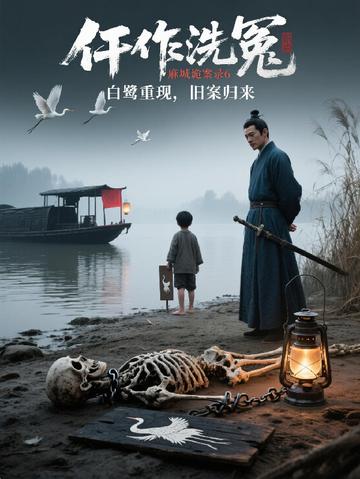
Twenty years later, the bones of a young boy were unearthed at an old military grain wharf. Hanging beneath his neck was a white egret wooden tag: South One, Sixteen.
Following the tag, Su Jianbai uncovered an old shipping route that had risen from the ashes, as well as a benefactor praised by everyone: Qiao Zhennan, owner of Zhen Nan Trading.
He gave aid to disaster victims, ran a military grain business, and adopted orphans.
But in his ledgers, children had only four possible fates: kept, altered, put to work, or sunk.
Even more terrifying, the old injury on Qiao Zhennan's left shoulder, the marks from his lost baby teeth, the cloth tiger from his childhood, and half a copper coin all matched A-Dou exactly.
The son Qiao had searched for over twenty years might still be alive.
Only now, he was the one deciding whether other children lived or died.
When Qiao Zhennan personally approved the word "sunk" for a child, Qiao finally recognized him as A-Dou.
She said, "I don't care if you're good or bad. As long as you're alive, that's enough."
But when more children's bones were unearthed, she added the rest with her own hand:
"I wanted you to be alive because you're my child. But other people's children have people hoping they'll live, too."
This time, Su Jianbai wasn't investigating who had killed the children.
He was investigating who decided which children were allowed to live.
The dead must be given their names, and the living must be brought home. But some people return alive only to find that they no longer have a home.
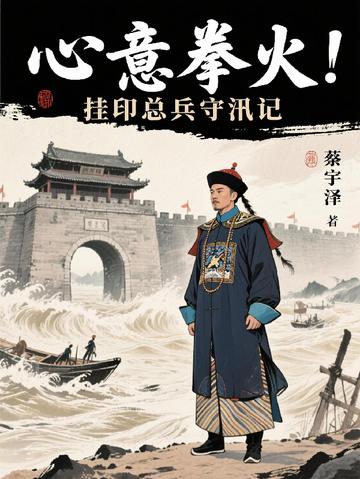 Heart-Mind Fist Ablaze: A Garrison General’s Tale of Guarding the Floodwaters
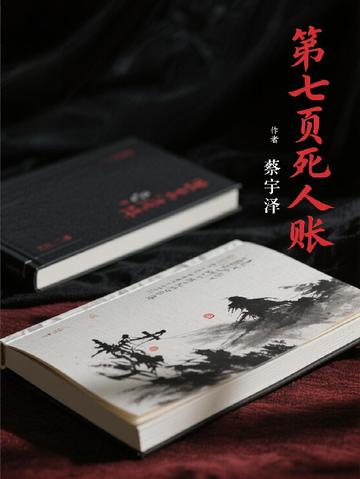 The Dead Men's Ledger on Page Seven
 The Coroner Clears the Wronged: The Strange Cases of Macheng
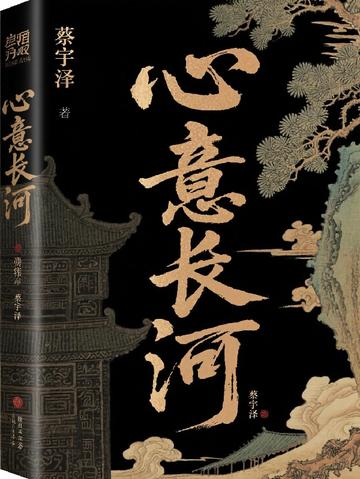 A River of Heartfelt Affection
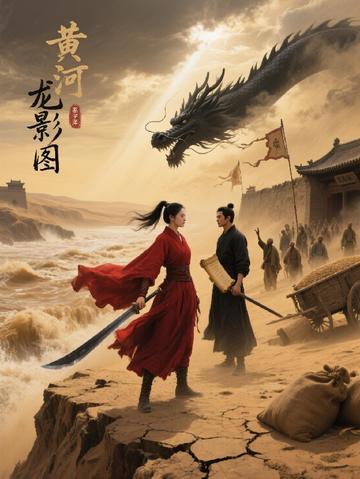 The Yellow River Dragon Shadow Map
 The Coroner Clears the Innocent: The Strange Case of Macheng 2