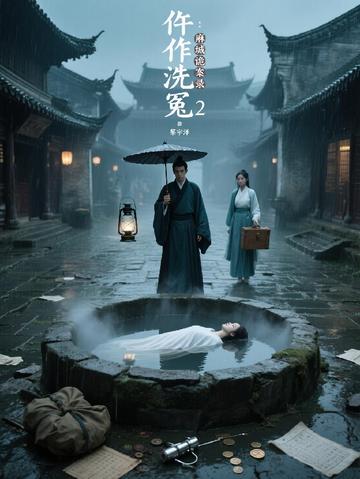
A woman’s corpse is pulled from an ancient well in Macheng.
The authorities rule it a suicide by drowning, but coroner Su Jianbai finds three suspicious details:
Mud beneath her fingernails, an injury behind her neck, and a strand of silvery gray caught in the soles of her shoes.
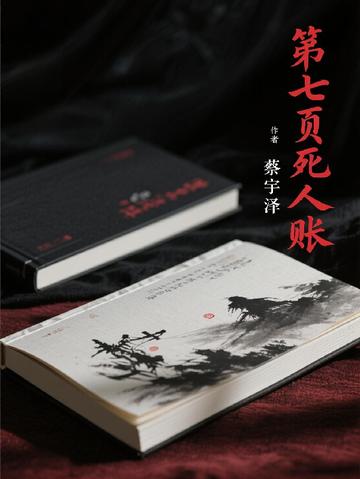
Before her death, Liu had found an oilcloth bundle. Afterward, a warehouse clerk died suddenly, an old silversmith was brutally silenced, and a ten-year-old incense ledger from Bailong Temple resurfaced.
There was no silver recorded in the ledger, only five words:
Well, illness, earth, move, clear.
Ten years ago, every time a tael of government silver went missing, someone in Macheng vanished without a trace.
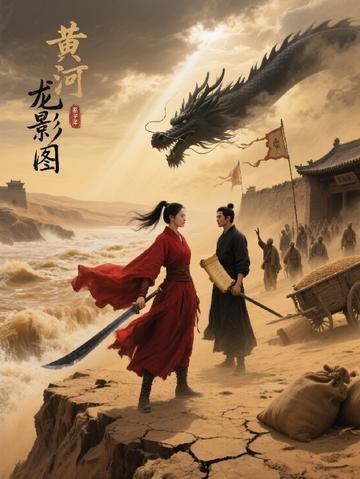
After the old silver case was settled, a torrential rain exposed White Bone Crossing. The countless bones on the riverbank all belonged to missing children.
They had been lured away by child traffickers, transported on black boats, then entered into forged relief-grain registers. The ledgers contained no names, only code numbers like “Six Missing,” “Bean Two,” and “Peach Seven.”
Those who could be sold were sent on. Those who couldn’t were marked as:
Returned by the flood.
On one side was old silver, melted down and recast. On the other were children’s bones, their names erased.
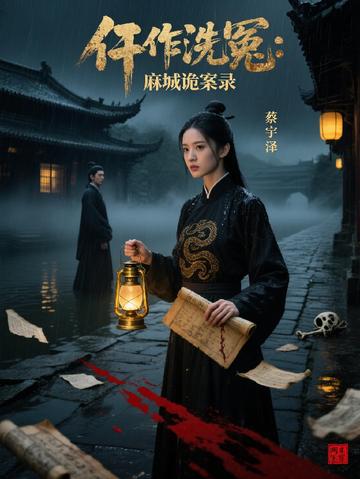
Following the injuries, silver dust, and scraps of old records, Su Jianbai and Ye Zhiwei investigate, only to discover that what lies behind the silver ledgers and relief registers is more than stolen silver.
It is a succession of lives no one dared record.
Ledgers can be altered, but corpses cannot.
Silver can be melted, but bones still bear their marks.
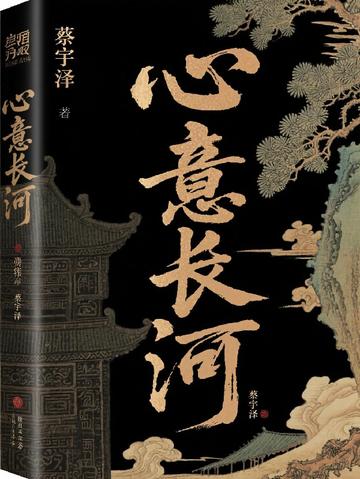
The second book in the series, and it can be read on its own. It contains two long cases: “The Ancient Well and the Old Silver” and “White Bone Crossing.”
Rich in details, progressive and logically adjusted