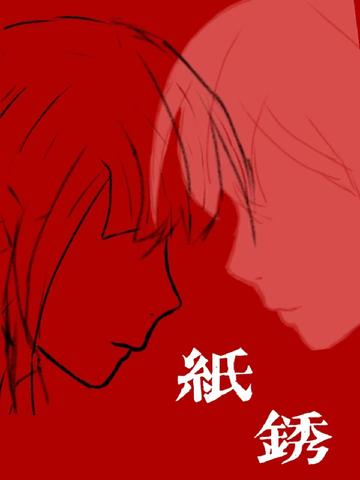
The day the moat receded, something gray-white emerged from the riverbank. Forensic pathologist Li Ming crouched down for a look, then told criminal investigator An Sheng, “Adipocere. At least two months old.”
The victim was Shen Yao, a young nurse in the cardiothoracic surgery department of the city’s Second Hospital. Someone had meticulously removed her radial artery with 4-0 medical sutures. The wound edges showed vital reaction: the killer had taken that perfect blood vessel from her arm just as she died.
But that wasn’t the whole truth.
A needle puncture, 0.7 millimeters in diameter, was also hidden on Shen Yao’s body. A trace amount of bone morphogenetic protein remained in it. Someone had injected her before the killer did.
Following the puncture wound, An Sheng discovered that the last person Shen Yao had come into contact with before her death was an elderly man with heart failure in the ward where she volunteered in hospice care. He couldn’t form a complete sentence and managed only one word:
“Needle.”
Two women, two clues, one body. A marked blood vessel, a riverbed hiding rusted paper. As An Sheng and Li Ming peeled away the layers of wax, they discovered that Shen Yao wasn’t the only prey. A black hair tie that didn’t belong to her was still submerged in the river.