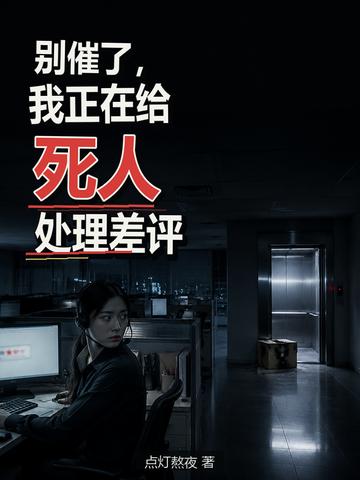
Qiao Sang had worked the night shift as a customer service agent for a funeral supplies shop for three years. She thought she could handle any bizarre complaint.
Until, at 12:07 a.m., a customer who had been dead for seven days left the shop a one-star review:
“The burial clothes were too thin. They burned up as soon as the fire started. I want a refund.”
The next second, an empty elevator delivered a charred package. The sender was the dead customer, the recipient was Qiao Sang, and the delivery date was tomorrow.
From that day on, a “Beyond the Veil Customer Service” portal appeared in her account. What the dead returned wasn’t merchandise, but truths they had never managed to speak, identities stolen from them, and the last grievance they carried to their graves.
Qiao Sang had to uncover what the dead truly wanted before the countdown ended. Refuse three times, and the returned package would be sent to the customer service agent herself. Viewing case footage and making limited inquiries required payment in her own personal memories.
And those so-called five-star ratings never meant satisfaction or forgiveness. They only meant the dead had stopped pursuing that particular case.
After handling her first case, Qiao Sang entered her older sister’s name. She had been missing for three years.
A line appeared on the screen:
Agent No. 000, current status: in progress.