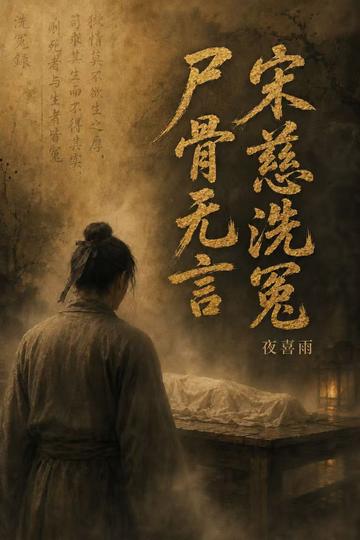
In the seventh year of the Chunyou era of the Southern Song, Song Ci wrote The Washing Away of Wrongs.
The world knows that the book records methods for examining corpses and solving cases. Few, however, know how many deaths beyond words Song Ci had personally encountered before writing its pages of case records and articles of law.
He had seen charred bones left by raging fires, and nameless bodies that had lain at the bottom of rivers for years. He had seen truths buried by the powerful, and people whose names had been erased because of who they were.
Some say that bones cannot speak.
But Song Ci always believed that bones leave evidence. They are not altered by power, nor silenced by lies.
This book tells of Song Ci’s little-known experiences before he wrote The Washing Away of Wrongs.
Beginning with a charred corpse, he set out on a path no one dared to investigate. Following the traces left by rivers, boats, and the dead, he gradually came to understand that a wrongful death is never just one person’s death.
Behind it may lie a chain of interests kept hidden, a forgotten name, or even an entire world determined to keep the truth from coming out.
All Song Ci had to do was speak one final sentence for those who could no longer speak for themselves.
“Words can be changed, documents can be changed, but bones never lie.”