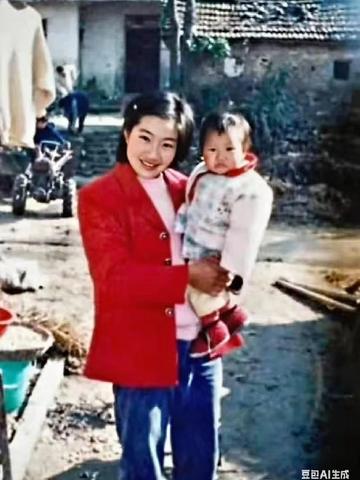
Set against the Jianghan Plain in 1989 and based on the true experiences of a family, this novel explores the far-reaching effects of parental upbringing on two generations, and even several generations.
The old preference for sons over daughters and misguided parenting create a cycle of intergenerational trauma that is difficult to break. The protagonist, Xiuzhi, grows up in a family that favors boys over girls, enduring favoritism, neglect, and emotional deprivation from childhood. Her greatest wish in life is to escape the pain her family has caused her.
She believes marriage will free her from that old prison, but instead she steps into another abyss. In the family she creates, she unconsciously repeats the behavior and parenting beliefs of the previous generation, passing the harm of her childhood on to her own children.
Xiuzhi spends her whole life trying to escape her family, while her daughters spend theirs trying to escape the family Xiuzhi has built. Two generations of women are trapped in the same struggles, emotional exhaustion, and cycle of fate, portraying the lives of ordinary rural women imprisoned by their era, their beliefs, and their families.
Unlike conventional redemption novels, this story offers no neat ending of reconciliation and letting go. It confronts the reality that intergenerational trauma in rural communities cannot simply be erased. Rooted in the details of village life on the Jianghan Plain, it avoids depicting characters as purely good or evil and focuses on how outdated beliefs bind ordinary women spiritually for life, offering a distinctive, locally grounded perspective on rural storytelling.