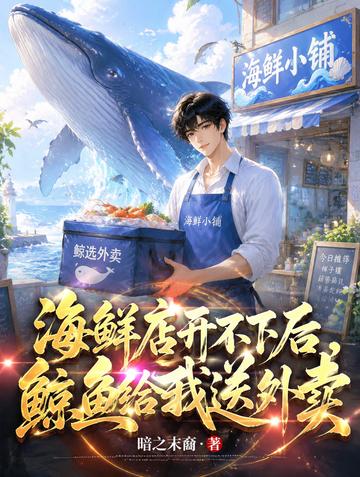
Lu Ming runs a tiny neighborhood seafood shop that's on the verge of closing. It's small, tucked away, and its suppliers often hold him hostage. Rent is due next month, and he's already preparing to shut the place down and start delivering takeout.
The day before closing, he rescues a young dolphin by the docks. Fishing line is tangled around its tail fin. After it recovers, it seems to misunderstand what he does for a living and starts bringing him “deliveries” every day.
On the first day, it brings a basket of lively mantis shrimp.
On the second, three ridiculously plump swimming crabs.
On the third, it brings a whole pod of dolphins, who herd a huge school of gleaming ribbonfish into the shallow harbor, lined up neatly as if waiting to be called to roll.
Lu Ming stands on the shore, nearly dropping his order sheet into the sea.
“Are you helping me restock? But I don't have a fishing license!”
His ability is called “Freshness Pact.” It lets him understand the thoughts of marine life and determine the best time to eat and prepare seafood. The animals bring him no protected species, only ordinary seafood that can legally be caught, but its quality is unbelievably good. Afraid to accept the catch illegally, Lu Ming can only get the proper permits, file the necessary paperwork, and find legitimate fishing partners, gradually turning a gray-area problem into a legal supply chain.
The little shop makes a miraculous recovery. Other sellers hawk their seafood; Lu Ming sells it at peak freshness, down to the minute. He knows exactly when to steam crabs for maximum sweetness, how thick to cut ribbonfish for the perfect sear, and how long sea urchin can stay out of the water before its flavor peaks. At first, customers come just to try something new. Then they realize that after eating fish from his shop, every other place leaves something to be desired.
 My Ex-Wife Wants to Remarry Me, but I'm Already a Live-In Son-in-Law of a Wealthy Family
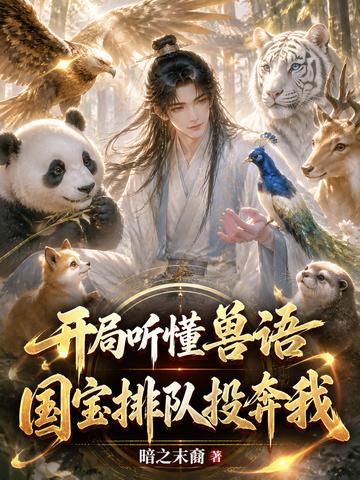 I Understood Animal Speech from the Start, and National Treasures Lined Up to Follow Me
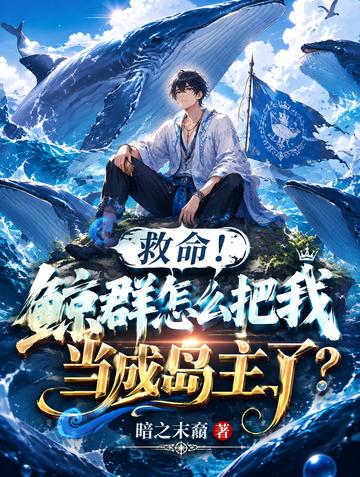 Help! Why Does the Whale Pod Think I’m the Island’s Chief?
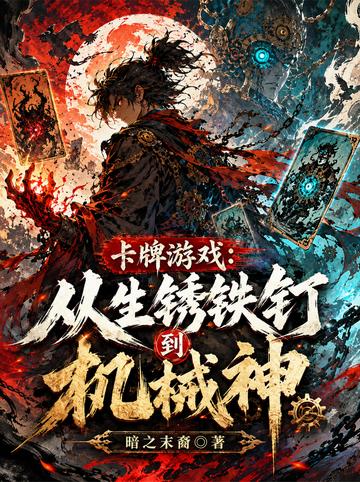 Card Game: From Rusty Nail to Mechanical God
 I Only Bought a Bay, So How Did It Become a Nature Reserve?
Too tired to watch.