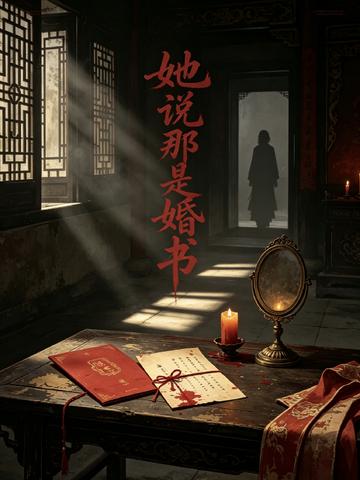
In the twenty-sixth year of the Republic, A Sheng the bamboo weaver is conscripted, leaving his wife A Xiu alone in their empty home. Three years later, a military letter arrives after making a long, roundabout journey. A Xiu cannot read. All she sees is red bleeding across the page: the color of wedding invitations and marriage certificates, of New Year paper-cuttings, wedding silks, and celebratory flower badges. So she locks the bloodstained letter in her dowry camphorwood chest, stacks it with the letters A Sheng sent home before, and smiles whenever anyone asks: “The army sent our marriage certificate. A Sheng is coming home.”
The townspeople cannot bring themselves to point out the blue stamp on that “notice of death.” The postman avoids her house. The women turn away to wipe their tears. Auntie Li comes and goes, clutching her handkerchief, swallowing the words on the tip of her tongue. But A Xiu is so happy. She cleans the east room, airs the bedding, cuts paper window decorations and sticks them to the walls, living each day as if A Sheng will be home tomorrow.
With the simplest of faith, she turns a death notice into a wedding invitation. War rages far away, letters fail to reach their destination, and lies and kindness weave a web around her. She chooses to remain caught in her red dream, waiting for the one who will never return. The stream at Qingshi Ferry keeps flowing, and the camphor leaves turn yellow and fall. Standing beneath the tree, she presses the bloodstained letter to her chest and smiles. “It's our marriage certificate.”
Even if no one else in the world believes it, she does.