Chen Qiming is a young man who runs an old bookstore on an old street. His true identity, however, is the last heir to the ancient Guanshan Sect. Born with a pair of "Karmic Eyes," he can see people's pasts and foretell their fortunes, but the price is a life plagued by illness and an untimely death.
To accumulate good karma and repay the debts of his sect, he became a special kind of professional who exists beyond the bounds of ordinary city life: a private feng shui consultant.
He works in the shadows and takes only the most dangerous jobs.
When he adjusts the ancestral grave of a real estate tycoon, he sees the blood, tears, and betrayal of a brother behind the tycoon's rise to wealth;
When he exorcises a haunted house, he strips away a vengeful ghost's resentment and discovers that the greed and scheming of the living are more frightening than any ghost;
When he tries to prolong the life of a wealthy heiress, he glimpses a shocking conspiracy spanning three generations within a grand feng shui arrangement.
Every time he takes action, he dances on the edge of a blade. Using his expert knowledge of the Qing Nang Classic and the Book of Burial, he finds auspicious sites, dispels malign forces, and arranges feng shui formations, using knowledge and rules to utterly outclass all manner of supernatural forces.
But when his own fate is drawn into the vortex, he discovers that the greatest feng shui has never been about the lay of the land, but about the human heart.
This is a story about using expertise as a blade to dissect human nature. As Chen Qiming peers into the fates of others, he also moves step by step toward his own destined end. On this dead-end path, he must seek justice for every karmic debt left unpaid.
Core theme: Using feng shui as a discipline to glimpse fate and karma, and ultimately to guide all those adrift in love, hate, and worldly passions, as well as himself, toward salvation.
· One-line pitch: I can see your karma, but you can't bear the price I pay.
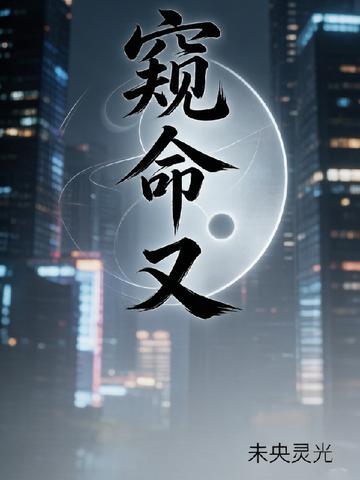


1. The ultimate implementation of professional suspense: every time the protagonist takes action, there are well-documented facts. Using ancient books such as "Qingnangaoyu" and "Tianyu Jing" as endorsements, Feng Shui operations are streamlined and visualized, creating a hard-core cool feeling like "professional science fiction". 2. Frequent "golden sentences" about fate: The philosophy of cause and effect and fate runs through the book. Every time the protagonist makes a judgment or ends an incident, it is a judgment on human nature. The writing style is advanced and the meaning is long. 3. The core of "anti-shuangwen": the protagonist is not invincible, and he has to pay a heavy price every time he wins. This sense of fate and tragedy of "dancing with shackles" can provide a higher-level and more lasting emotional impact than ordinary cool novels. 4. Modern reconstruction of cultural motifs: Integrate traditional Chinese wisdom such as "harmony between man and nature" and "karma and responsibility" into the spiritual dilemma of modern urban life to provide us with emotional value and spiritual comfort.
The inspiration comes from Yi Shu Tai Nai's depiction of the perception of destiny in "Spiritual Heart", but I intend to use a more professional and Chinese "Feng Shui Kanyu" system to build a story that combines both professional hardcore and human warmth. The inspiration is also taken from the "Tao Te Ching" "Man follows the earth, earth follows heaven, heaven follows Tao, Tao follows nature", exploring how people deal with and reconcile themselves in the face of impermanent destiny. Using Feng Shui as a technique to gain a glimpse of destiny and cause and effect, what ultimately needs to be saved are all living beings floating in the world of mortals, as well as yourself. In one sentence: I can see your cause and effect, but you can't bear my price.