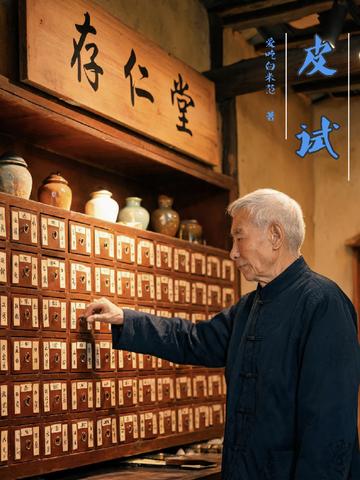
A once-great family, shattered by a medical accident, endures more than half a century of upheaval in an epic tale of guilt and punishment, separation and reunion, hatred and forgiveness.
In 1948, my great-grandfather, a highly skilled doctor, treated a local gentryman's son. At the time, the concept of a penicillin skin test was unknown in China, and the patient died of an allergic reaction. My great-grandfather was convicted of “manslaughter” and sent to prison.
My great-grandmother struggled to raise her four children, with my grandmother as the eldest, but was eventually forced to remarry. As the eldest daughter, my grandmother had to grow up overnight and take on the responsibility of caring for her younger siblings.
After remarrying, my great-grandmother had three daughters and a son with her new husband. My grandmother’s relationships with these half-siblings were complicated.
When my great-grandfather was released from prison, he learned that his wife had remarried. Despairing, he left home and remarried elsewhere, having a son who would become my “uncle,” younger even than my father.
My father and mother grew up and met amid the tides of history. My grandmother often spoke to my father of her “famous doctor father who went to prison,” her words brimming with conflicted love and resentment.