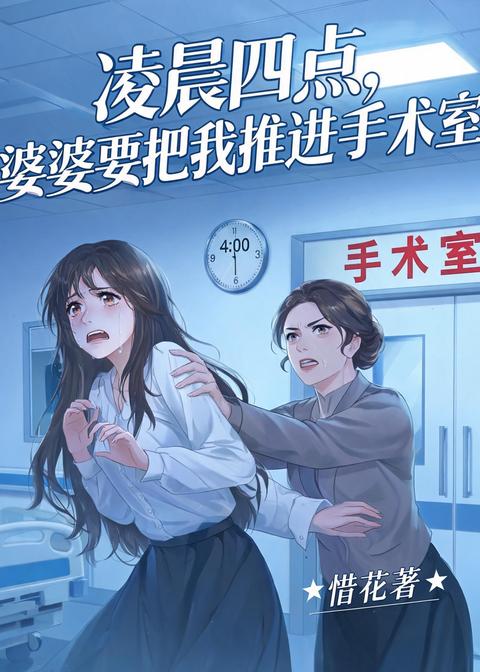
At 2:47 a.m., I woke to the pain of contractions in the obstetric monitoring ward.
Rain fell outside, pattering against the window like someone scraping my nerves with a fingernail, one stroke at a time.
I was thirty-two weeks pregnant. The previous evening, I had been taken to the hospital.
The reason was that I had fallen at my front door.
More precisely, I had tripped over a pot of pothos my mother-in-law had left in the entryway.
She said she had just bought it, hoping it would bring us “more children, more blessings.”
But I remembered clearly that when I left for my prenatal checkup that morning, there had been nothing in the entryway.
Beside my bed, my husband, Gu Yanzhou, was asleep with his head on the little table. His suit jacket hung over the back of a chair. He was a bank risk-control manager who usually kept even his shirt cuffs perfectly pressed, but now he looked utterly drained.
My mother-in-law, He Xiulan, lay on the companion bed, her phone in her hand, its screen still lit.
The nurse said I was showing signs of preterm labor and needed to be monitored overnight.
I held my belly with one hand and reached for the phone on the bedside table with the other.
As soon as I unlocked it, a WeChat notification appeared.
[Nurse Liu has invited you to join the group chat: Ruihe Special Care Maternity Ward Coordination Group]
I froze for a moment.
Nurse Liu was the caregiver my mother-in-law had hired. She said a friend at Ruihe Hospital had recommended her and that she was especially attentive with pregnant women.
Before I could make sense of it, a group announcement popped up.
[32-week pregnant patient, Song Zhi, type B blood, female fetus. Cord blood match confirmed. Transfer to the third-floor surgical area before 4 a.m. Family consent: save the baby, not the mother. Transfer newborn to “special observation” after surgery. Handle the mother as emotionally unstable. Close the file once the remaining payment arrives.]