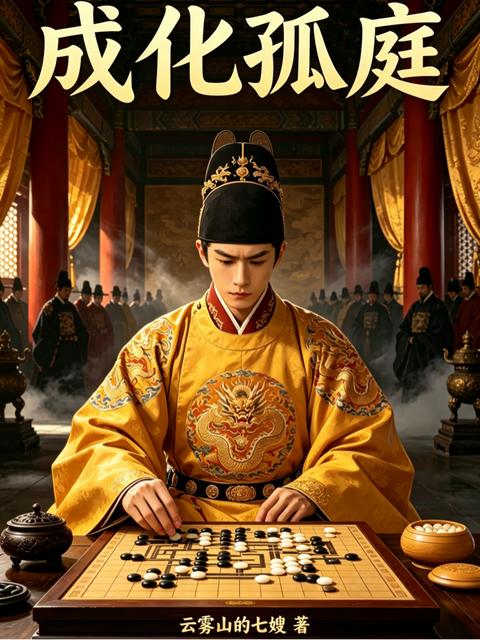
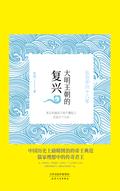
During the Chenghua era, the Ming dynasty appears peaceful on the surface, but border threats remain constant and political undercurrents churn. The young emperor Zhu Jianshen experienced upheaval in the palace from an early age. After ascending the throne, he faces a complex empire entangled in the interests of the eunuch establishment, the civil bureaucracy, and the border armies.
Based on the Biography of Zhu Jianshen in the History of Ming and the historical record of the Chenghua era, this novel reimagines real events in the style of a political intrigue. It rejects superstition and the supernatural, instead placing institutional dynamics, human nature, and political choices at its core to portray a Ming court that feels real and tangible.
The story follows the long-running struggle between imperial authority, the Grand Secretariat, the eunuch establishment, and the military affairs of the frontier garrisons. Through a series of major political events and consequential choices, it shows how Zhu Jianshen steadies the court despite constraints, seeks balance between compromise and countermeasures, and gradually advances limited reforms in government.
The novel’s pacing follows the logic of real-world politics, emphasizing details and cause and effect. Rather than glorifying one individual, it recreates the emperor’s genuine predicament and growth as the center of an institution.
This is a sweeping historical novel of political intrigue about power structures, historical inertia, and individual choices.