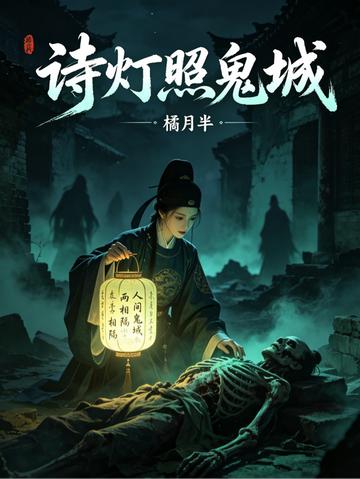
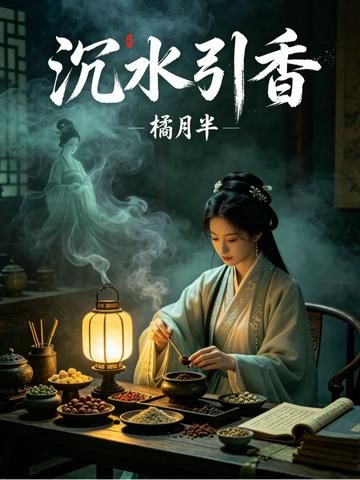
Deep in Yongchong Ward in Chang’an stands a teahouse called Returning Home. Its back door opens onto the ghost market, and half a broken stele at the mouth of the alley bears the inscription “A Place to Watch the Mortal World.” The proprietress, Lady Hui, was once a female scribe at the Bureau of Astronomy, but was dismissed after waking in the middle of the night with the ability to see the fading traces of the dead. She no longer asks what fate has in store. Instead, she listens to the city and records its cases in her teahouse, using lines from Tang poetry as omens to chronicle one paranormal murder after another in Chang’an’s dark hours.
At midnight, the broken stele turns cold, and the grievances of the dead arrive as verses. Lady Hui does not exorcise spirits or interpret dreams. She only watches and records. Three sentences are all she needs to piece together cause and effect, and a single volume of notes is enough to seal away the truth. Those ensnared by poetic omens die beneath the hibiscus moon, perish amid autumn frost in a mirror’s reflection, or drown in the midnight sound of laundry being pounded.
Chang’an is as bright as day, but she sees only the night. The law governs right and wrong in the mortal world. At the end of each case, she writes only one line: “The cause and effect are settled. I pass no judgment.”