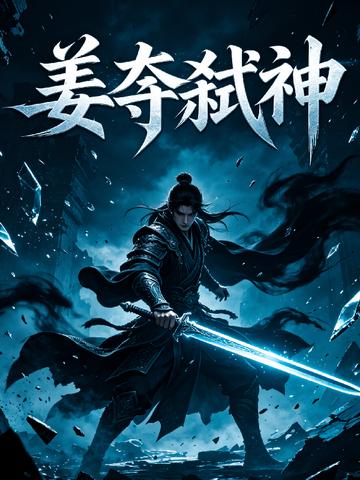
When Jiang Fan was tied to the altar, he didn’t beg for mercy or cry out.
He stared at the rusty knife and asked the one question no one had thought to ask:
“Were all the previous 9,999 sacrifices men?”
The priest’s hand froze.
With that single question, Jiang Fan went from a lamb led to slaughter to the Divine Kingdom’s biggest headache.
He discovered something: the gods didn’t want ten thousand lives. They wanted sacrifices without interruption for ten thousand years. And he happened to be the ten-thousandth.
Before the knife came down, he said, “The God of Harvest died last year. You killed 9,999 people for a dead god.”
Silence fell over the crowd.
A young woman named Qin Xuan cut the ropes around his hands.
“I know how the god died,” she said. “But anyone who knows about it has less than three days to live.”
Jiang Fan stood up and flexed his wrists, raw and bleeding from the ropes.
“Then that works out perfectly.”
From that moment on, the Divine Kingdom issued an order to kill him. Seated gods, wandering gods, false gods: the entire Divine Kingdom was after him.
But Jiang Fan had a card the Divine Kingdom didn’t:
He was “outside causality” and bound by none of the Divine Kingdom’s rules.
The gods ruled the world through rules. He would use those rules to kill them in turn.
Godslaying doesn’t take fists.
It takes brains.
It takes deduction.
It takes finding a god’s true name, weakness, and lies.
This is a battle of wits between a mortal and the Divine Kingdom.
It is also a godslayer’s journey through truth, betrayal, and choice.