In 2026, Chen Mo is the Chengdu Plain’s most comfortable “grown-up baby.”
He is twenty-six, owns a house and car paid for by his parents, and has an easy nine-to-five job. His biggest worry is not wanting to go to work on Mondays, and his greatest wish is to have his mother’s lotus root and pork rib soup on the weekend. He drifts through life in a daze. At a museum, he scoffs at the “Death Flag” carried by his forebears, thinking it a waste of life. At a bar, he boasts to his buddies that if he were to transmigrate back to the battlefield, he’d be the first to throw down his gun and run.
He thought this “good-for-nothing” life, wrapped in love, would go on forever, as gently as the evening breeze along the Jinjiang River.
Until the wheels of fate began to turn with a deafening roar.
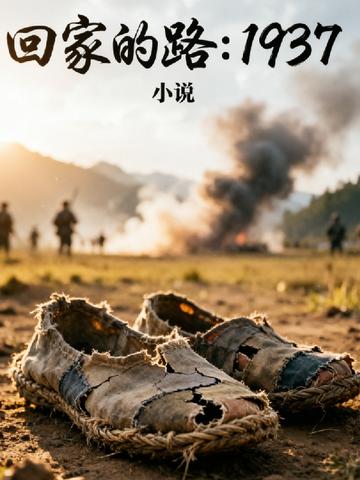
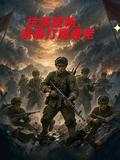
When he wakes, he has become a Sichuan Army soldier carrying the “Death Flag” on the 1937 Shanghai battlefield. There’s no Starbucks in his hands, only a rusty broadsword; no nagging from his parents in his ears, only thunderous artillery fire. The “fire poker” he once mocked has become his only support. The “Death Flag” he once dismissed has become the fate he must bear.
From the neon lights of Jiuyan Bridge to the smoke of battle in Shanghai, from “mama’s boy” to “iron-blooded warrior,” Chen Mo’s war isn’t for some grand ideology. It’s for the simplest, most precious wish of all: I want to go home.