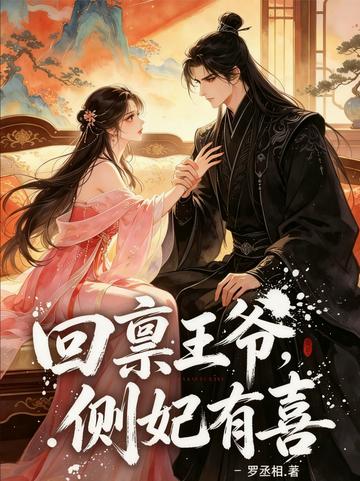
After suddenly dying, Lou Shuying, a modern-day corporate drone, opened her eyes as the beloved only daughter of Lou Cheng, governor of Jiangnan in the Great Yin Dynasty.
Both the Lou family and her maternal relatives were large, prosperous clans. Just after she came of age, Noble Consort Shu took a liking to her and arranged for her to become the seventh prince Mu Changge’s side consort.
Everyone secretly felt sorry for her. The seventh prince seemed gentle, but in three years of marriage, neither his principal wife nor his concubines had borne him a child. Rumors that the prince was incapable of having heirs had long circulated in the capital.
Who could have guessed that not long after Lou Shuying entered the household, she would become pregnant again and again, single-handedly disproving the rumors that he was heirless?
Even more surprising, this seemingly gentle side consort hid knowledge of the future. Thanks to a fragment of memory from her past life, she knew the seventh prince would lose the struggle for the throne and meet a grim end. So, little by little, she quietly paved the way, steering clear of danger and political strife while keeping him safe.
Palace intrigue and political scheming? Not in this story.
This is all about cozy daily life: raising children, managing the household, protecting her husband, and enjoying life.
When the dust finally settled and the new emperor took the throne, the seventh prince, Mu Changge, safely stepped away from the political struggle and became the younger brother his imperial brother relied on most.
Lou Shuying and Mu Changge spent their lives together, surrounded by their children, enjoying a healthy and peaceful life as a family.
How to say, there are advantages and disadvantages. The advantage is that the plot of the article can be read through, one episode after another, it is relatively coherent, and the plot description is relatively detailed. Overall, it is okay.
After reading the comment section, some people said that the heroine should be a concubine for King An, which is difficult to accept. In fact, it was also difficult to accept when I first watched it. The male protagonist originally had a concubine (the plot master should have abolished the concubine in the follow-up), but it was still difficult to accept being a concubine at first. Later, the heroine went out to "play" and came back, and suddenly accepted it. This was actually a bit sudden, but it was indeed a very realistic behavior under the circumstances.
The male and female protagonists are very sweet after their wedding. Regarding this point, I personally think that it should be described more clearly and give King An a buff. For example, he has a concubine and a concubine but does not favor him. Looking forward to the development of the story later [learned][eat melon]
I haven't finished watching it yet. The plot is pretty good, but there are problems with the title. First, the heroine, who is both the legitimate daughter and the concubine, actually calls the maid next to her sister. This problem is not a big problem. After all, the maids who can be brought into the palace have basically been served since childhood, and they have deep feelings and can understand it. Second, the heroine has already married into the prince's palace and became the concubine of the prince's palace. The maid she brought was actually called the heroine Miss. The maid did not change her name and the heroine did not correct her. I skipped reading, so I haven't seen some of the content, and I don't know if the author has any explanations about the title in the content that I haven't seen. I will read it completely later, so I only saw this problem at the moment. There are no problems in other aspects (only in the chapters I have read). The plot is also very coherent and quite attractive. If I see an explanation about the title issue later, I will come back and apologize [blowing kiss][blowing kiss][blowing kiss]
I haven't finished reading it. It's not that the plot is unattractive, but it's because of the self-proclaimed names of each character in the book and the names of the heroine by the maids around her. From the chapters I've read, this kind of problem exists in every chapter. To be honest, although readers of this kind of ancient literature have no requirements, they basically acquiesce that it doesn't need to be turned into classical Chinese, and they don't need to care about it. The ancients said, what is it? The heroine has left the palace and became a concubine, and the maids she brought from home are still calling the heroine Miss. Has the heroine left the palace? A minister's wife calls herself a slave to the emperor, so what do those eunuchs and maids call themselves? There is also Princess Duan who calls herself a minister's wife in front of the emperor. Well, Prince Duan is no longer the emperor's son, but a minister. That's not right. She should call herself a minister's wife. I don't know about the rest. I just saw Princess Duan. It's not that I don't want to read it, but that I can't stand it. I can still understand the typos and can read on (of course, I can't stand it if there are too many typos), but I really can't stand the title issue. I can accept it if it happens once or twice, but this is not the case. Basically, it is the whole story. It is too easy to affect the perception and immersion (the above is only my personal opinion and does not represent all readers). But there is one thing to say, the plot is really good.
I don't know why the score is so low, but it looks pretty good! The writing is delicate and I like the subject matter.
Different times have not caused barriers to communication of ideas. Independence, self-love, and self-improvement are the standard features of great women at home and abroad in ancient and modern times.
I feel that the whole thing here is pretty good. The plot description and other aspects are all in my favorite style. However, the constant emphasis on her being the soul of 26 seems a bit strange to me personally. I don't particularly like this setting.
It's very good. The author is faster and faster. I like to read it.
Should we be stricter about age? Thirteen five years ago and fifteen five years later. . . Or is it a false year?
Didn't the author write the age a little wrong at first? The heroine was just born not long ago, wasn't the eldest eldest 13 years old? After five years, you should be 18 years old.
I haven't finished it yet, but I liked the plot, especially the description of the costumes.
How to say, there are advantages and disadvantages. The advantage is that the plot of the article can be read through, one episode after another, it is relatively coherent, and the plot description is relatively detailed. Overall, it is okay. After reading the comment section, some people said that the heroine should be a concubine for King An, which is difficult to accept. In fact, it was also difficult to accept when I first watched it. The male protagonist originally had a concubine (the plot master should have abolished the concubine in the follow-up), but it was still difficult to accept being a concubine at first. Later, the heroine went out to "play" and came back, and suddenly accepted it. This was actually a bit sudden, but it was indeed a very realistic behavior under the circumstances. The male and female protagonists are very sweet after their wedding. Regarding this point, I personally think that it should be described more clearly and give King An a buff. For example, he has a concubine and a concubine but does not favor him. Looking forward to the development of the story later [learned][eat melon]
I haven't finished watching it yet. The plot is pretty good, but there are problems with the title. First, the heroine, who is both the legitimate daughter and the concubine, actually calls the maid next to her sister. This problem is not a big problem. After all, the maids who can be brought into the palace have basically been served since childhood, and they have deep feelings and can understand it. Second, the heroine has already married into the prince's palace and became the concubine of the prince's palace. The maid she brought was actually called the heroine Miss. The maid did not change her name and the heroine did not correct her. I skipped reading, so I haven't seen some of the content, and I don't know if the author has any explanations about the title in the content that I haven't seen. I will read it completely later, so I only saw this problem at the moment. There are no problems in other aspects (only in the chapters I have read). The plot is also very coherent and quite attractive. If I see an explanation about the title issue later, I will come back and apologize [blowing kiss][blowing kiss][blowing kiss] I haven't finished reading it. It's not that the plot is unattractive, but it's because of the self-proclaimed names of each character in the book and the names of the heroine by the maids around her. From the chapters I've read, this kind of problem exists in every chapter. To be honest, although readers of this kind of ancient literature have no requirements, they basically acquiesce that it doesn't need to be turned into classical Chinese, and they don't need to care about it. The ancients said, what is it? The heroine has left the palace and became a concubine, and the maids she brought from home are still calling the heroine Miss. Has the heroine left the palace? A minister's wife calls herself a slave to the emperor, so what do those eunuchs and maids call themselves? There is also Princess Duan who calls herself a minister's wife in front of the emperor. Well, Prince Duan is no longer the emperor's son, but a minister. That's not right. She should call herself a minister's wife. I don't know about the rest. I just saw Princess Duan. It's not that I don't want to read it, but that I can't stand it. I can still understand the typos and can read on (of course, I can't stand it if there are too many typos), but I really can't stand the title issue. I can accept it if it happens once or twice, but this is not the case. Basically, it is the whole story. It is too easy to affect the perception and immersion (the above is only my personal opinion and does not represent all readers). But there is one thing to say, the plot is really good.
I don't know why the score is so low, but it looks pretty good! The writing is delicate and I like the subject matter.
Different times have not caused barriers to communication of ideas. Independence, self-love, and self-improvement are the standard features of great women at home and abroad in ancient and modern times.
I feel that the whole thing here is pretty good. The plot description and other aspects are all in my favorite style. However, the constant emphasis on her being the soul of 26 seems a bit strange to me personally. I don't particularly like this setting.
It's very good. The author is faster and faster. I like to read it.
Should we be stricter about age? Thirteen five years ago and fifteen five years later. . . Or is it a false year?
Didn't the author write the age a little wrong at first? The heroine was just born not long ago, wasn't the eldest eldest 13 years old? After five years, you should be 18 years old.
I haven't finished it yet, but I liked the plot, especially the description of the costumes.