Zhao Xiaobei was reborn.
She landed on her first day at the job. She knew what would happen over the next four years: she’d get a C performance rating, be called in by her boss, switch to another company, discover that it “also had sensors and that system,” then sit in her rented room staring at the gray walls, unable to figure out what she could still do in the age of AI.
This time, she wasn’t going down that road again.
The System activated. It was called the “Human Advantage Perception System,” and it had just one rule: no rewards for things AI could do. She would only earn points by truly understanding a specific person.
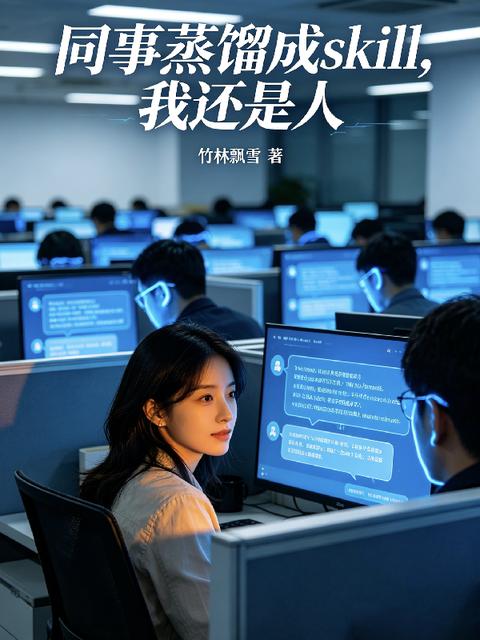
Her colleagues used AI to write reports and turned in first drafts in ten minutes. She sat in front of a blank document for two hours, and every line was her own.
The System wouldn’t help her write code, make PowerPoint slides, or do anything else AI could do.
But all the things hidden in those pauses, those notes in parentheses, those moments when users started to say something and then stopped...
AI didn’t know what they meant.
Only she did.



It's quite delicate.