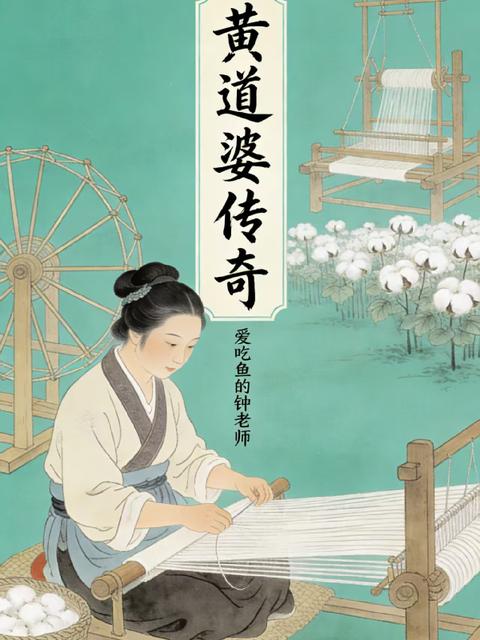
During the Zhiyuan era of the Yuan dynasty, Huang Daogu, a thirty-year-old master cotton spinner, was driven from her clan and branded a husband-killing jinx after her husband died young and her property was seized. She ended up in Yazhou, Hainan. Through grit and ingenuity, she learned advanced cotton-spinning techniques from Li women. But on the eve of returning home to share what she had learned, she was framed by local power brokers who coveted her skills and jealous fellow craftspeople. She died full of resentment in a raging fire, her life's work reduced to ashes. Reborn, Huang Daogu faces a deeply hostile environment: under the Yuan dynasty's four-class system, she is a woman of the southern people, with little status; the patriarchal society relentlessly discriminates against and oppresses widows accused of having "lost their chastity"; and guilds and powerful merchants control the textile industry, making it nearly impossible to introduce new techniques. Her predicament is that she has no influential connections, only her skills and knowledge of the future. Her path to breaking through must therefore be a carefully planned impossible mission: as a widowed refugee, she must not only protect herself and avenge her wrongs within five years, but also marshal resources and build a network of trust, ultimately spreading her improved cotton-spinning methods and shaking up the deeply entrenched linen industry and its established interests.
The story follows Huang Daogu's perspective. After being reborn, she calls herself "Zhang Hua," meaning she will use her skills as a brush to paint a new chapter. Watch as she uses her informational advantage and advances step by step. With vision beyond her time, she will not only improve the tools for ginning, carding, spinning, and weaving, but ultimately realize her grand ambition of clothing the world, weaving an enduring legend of her own into the fabric of history.

 The Resurrection of Atlantis
 The Mystery of the Energy Anomaly
 The Missing Messenger
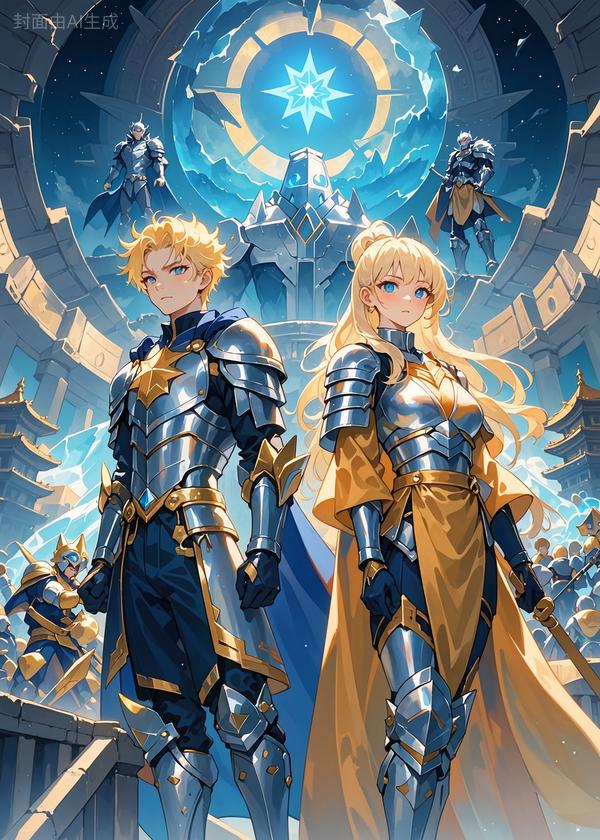 The Final Battle for the Void
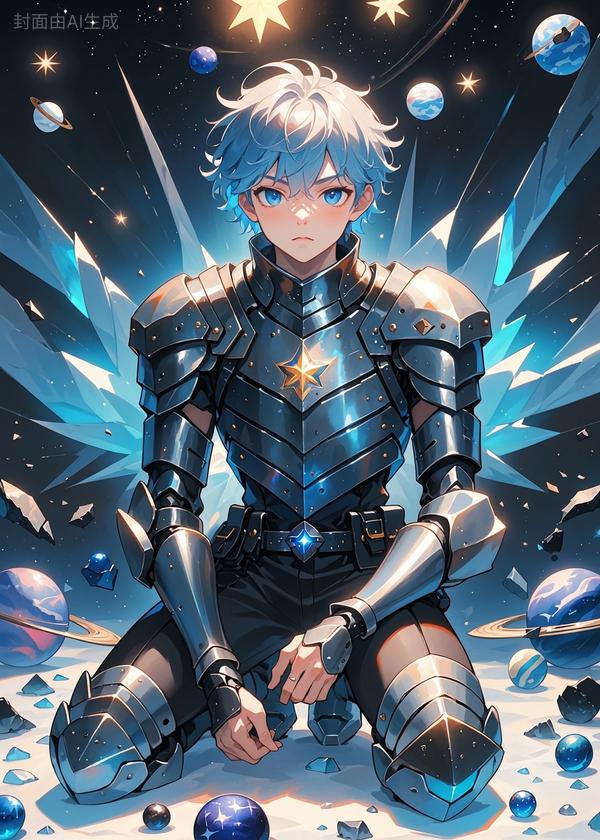 Xeros’s Redemption
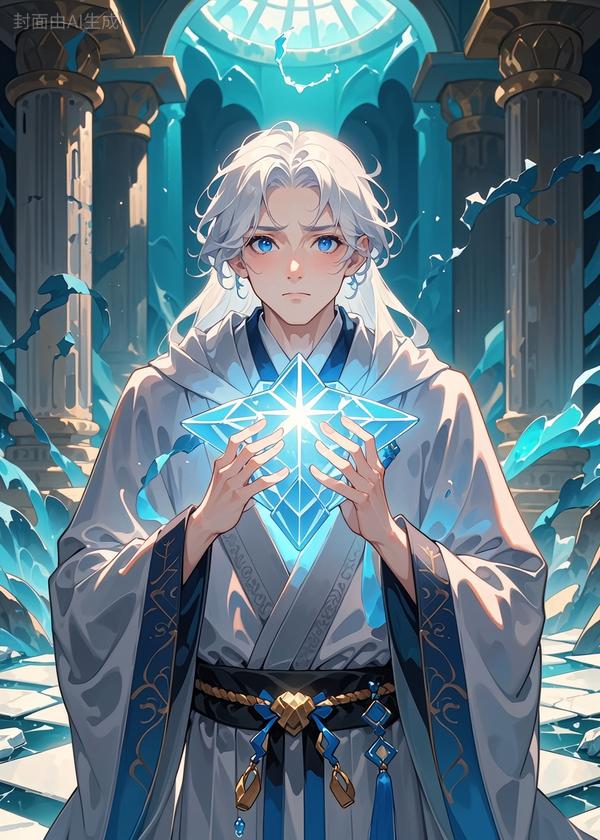 An Ancient Prophecy: The Void Gate
 The Scandalous Tales of the Yuan Dynasty
 Senior Brother, I’m Going to Blow Up the Mountain!
 Blood Seals the Wu River: Five Little Nobodies