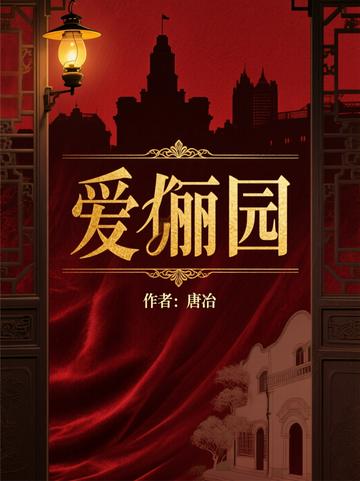
Synopsis of The Love Garden
In the second half of the nineteenth century, Shanghai opened its ports to foreign trade. The Huangpu River churned with muddy waves as every faction vied for fortune in this “adventurers’ paradise.” Silas Hardoon, a young Jew, arrived in Shanghai with nothing and joined the Sassoon firm. Through extraordinary shrewdness and ruthlessness, he mastered the rules of colonialism and the secrets of land speculation, gradually building a real estate empire and spending lavishly to construct the Far East’s most luxurious private estate: Aili Garden, also known as Hardoon Garden. Centered on Hardoon and his Chinese wife, Luo Jialing, the novel paints a sweeping portrait of Shanghai in the late Qing and early Republican eras. Imperialists plundered the city through perpetual land leases and financial speculation. Chinese nationalist capitalists like Shen Moxuan struggled to survive in the cracks and began to awaken. The beginnings of bureaucratic capitalism emerged, while laborers like A Fu endured lives of toil and sweat. Through the construction, heyday, and decline of Hardoon Garden, the story weaves in real historical events such as the May Thirtieth Movement and the Xinhai Revolution. It lays bare the exploitative nature of the colonial economy and vividly depicts the early struggle between nationalist and bureaucratic capital. Against a grand historical backdrop, it paints a sweeping picture of East-West collision, the ruthless pursuit of wealth, the distortion of civilization, and a people’s struggle for self-preservation, revealing the inevitable end of colonial-era Old Shanghai.