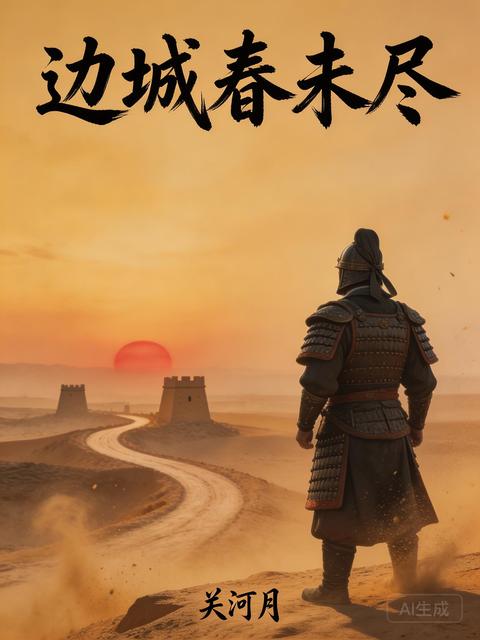
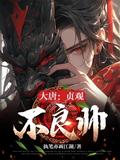
He comes from a later age, waking in a small military fort on the Tang frontier.
Beyond Baishi Garrison stretch thousands of miles of yellow sand. The post road runs like a thread, while beacon towers, old relay stations, traces of merchants, and letter after letter that can never be sent home together reveal the quietest side of the prosperous Tang frontier. Here, Han Yue learns to wield a blade, keep watch through the night, and escort military supplies. He also learns to read people's hearts in the windblown sand, and to recognize his homeland in the midst of life and death.
In the army, there is brotherhood, rough yet warm, old tunes softly sung at night, and soldiers who keep heading west even when they know the way home is hard to find. There is also the cold indifference of a system where deeds go unrecorded, rosters arrive late, and Chang'an lies far away.
Spring has yet to leave the border town, but the soldiers are always on the road.
This is a long song about guarding the frontier, returning home, and the fate of the nameless. They may not be remembered in the history books, but with their flesh and blood, and all they longed for, they once kept a light from going out across this land.



The author's writing style is one of the book's greatest strengths; without the piling up of ornate language, every word is powerful, and every sentence evokes vivid imagery. The line "Spring has not yet ended in the border town, and the traveler is always on the road" perfectly captures the desolation and tenderness of the entire story.
It's a very ordinary soul transmigration story, without any superpowers or cheat codes. In this world, you really have to rely on yourself. But I saw a strong sense of brotherhood here; the author's writing is very delicate and makes it easy to empathize.
The author, using the first person, vividly portrays both the coldness and warmth of the frontier—the nameless soldiers who, amidst the wind and sand, recognize human nature, and in the face of life and death, recognize their homeland. History may not remember them, but this book preserves that ray of light for them.
I still need to review this book. I only started reading it this morning, and I'm almost finished now. So far, it's written with depth, vividly portraying the hardships of life on the frontier and the yearning for survival. I hope more people will read this book, and I also hope the author can settle down and slowly finish writing this frontier story.
We're used to reading grand, epic battles and heroic patriotism in online novels. It's rare to find an author who focuses on the details, writing about the beacon towers and small military forts on the Anxi border, about the soldiers in their individual squads, using simple language to tell me that they truly existed.
There were no slogans, no epic battles recorded in history, only the blood and flesh of ordinary border soldiers, the wind and sand and life and death, letters home and longing. Han Yue, a modern person who traveled back in time, didn't change his fate with a magic trick, but rather gained a clearer understanding of the helplessness of the borderlands, and made people see the preciousness of those nameless soldiers even more clearly.
The extensive descriptions of scenes, atmosphere, and details create an immersive reading experience, especially for those of me who traveled to Xinjiang twice this year for business. Even renting a car and rushing through the vast wilderness, I felt a sense of being alone. I look forward to the author's protagonist's gradual rise to power and his opening up of the Western Regions.
It's great; there are no sword fights, but it's thrilling at every turn.
The writing is good; it's worth reading.
The author's writing is very delicate; in my opinion, the psychological changes of the characters and the detailed descriptions of the scenes are all excellent. It's well-written, a short story, but ending with a dream story feels a bit anticlimactic, and the ending is somewhat depressing. I wouldn't recommend it.