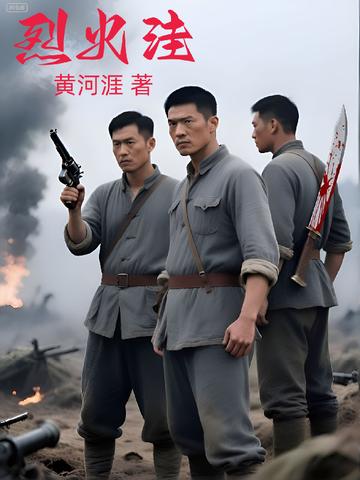
1942, central Hebei. The salt flats stretch white as far as the eye can see, trapping more than three hundred people.
Han Shuangge is ordered to lead them out, but Wei Tieying refuses to leave. He has a knife wound in his back and has been lying in bed for three days. “I gave the people of this village my word. If the Japanese come, I’ll come back.” Han Shuangge never makes it out. Shi Gandang follows with a chipped broadsword, Liu Suo limps along behind them, and even Jia Fugui, the cowardly head of the collaborationist village committee, eventually blows up a Japanese grain depot with a grenade. They seize guns from the Japanese, steal food from puppet troops, and risk their lives going into town for medicine.
Their force dwindles from 111 to 23. When the bullets run out, they fight with knives; when the knives break, they bite with their teeth. Shi Gandang dies. Liu Suo dies. Jia Fugui dies, too. Later, the main army launches a counterattack and the Japanese retreat. On the day the county seat is captured, Han Shuangge stands at the city gate and remembers Shi Gandang’s words: “See you in the county town.”
He does not become a company commander. He returns to Liehuowa and keeps watch over the salt flats where thirty-seven people lie buried.
In the autumn of 1945, Japan surrenders. Suaeda sprouts across the flats, bright green as far as the eye can see. Tiedan has learned to write the character for “fire,” and Fang Qing is still waiting for him.






The puppet army basically does not use the 38-year-old cover. The main equipment of the puppet army is Hanyang Zhongzhong.
This book is so well written, I love reading it.