Song Liyang died in the winter of 1964.
In a ruined temple, no one came to claim his body. He remembered his previous life: he had obeyed his parents and refused to split the household, handing over all the game he hunted and every work point he earned. In return, his three daughters were sold, his wife died searching for them, and his nephew threw him out. He froze and starved to death.
When he opened his eyes again, he was back in 1965.
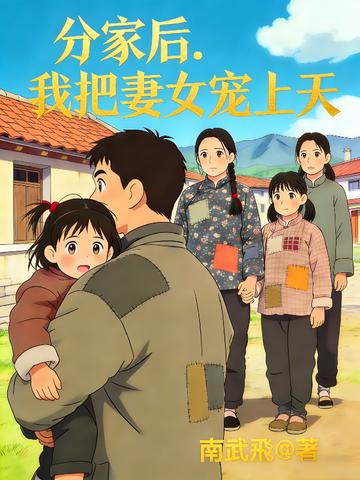
His younger brother’s wife had just given birth to a “boy,” and his parents were already planning to keep squeezing him dry to support the family of their younger son, who now had an heir. His wife, Wu Zhongyan, held their emaciated third daughter, Nini, in her arms, her eyes filled with numb despair. Their eldest was six and had never owned new shoes. Their second daughter was four and had never eaten an egg. Nini had been burning with fever for three days, and they couldn’t even afford medicine.
This time, Song Liyang slammed the household’s five years of work-point records onto the table in front of everyone.
“We’re splitting up. I’ll live on my own. I’ll spoil my wife and daughters myself.”
“You looked down on my daughters before, but from now on, you won’t be fit to hold a candle to them. You bullied my wife all you wanted before, but let’s see who dares lay a finger on her now!”
From then on, he moved with his wife and daughters into a drafty woodshed, hunted in the mountains with his fists, and risked his life on the black market, relying on his memories of his previous life.