Introduction to The Girl Called Dai Xiazi
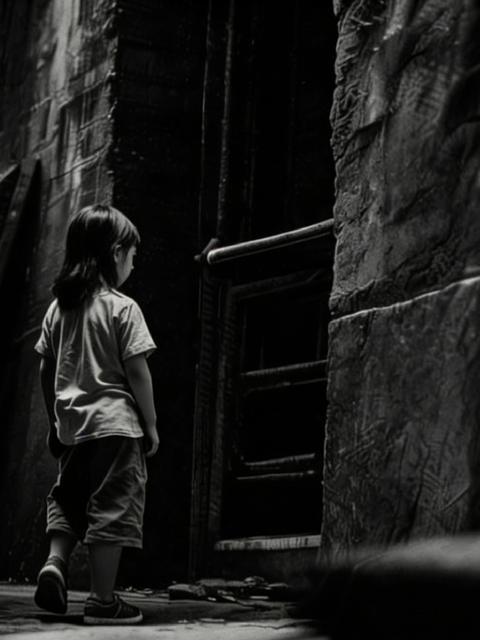
Set in Fawang Village, Heilongjiang, frozen in 1958, the novel tells the story of Dai Xiazi, a girl born amid famine and illness, and a life shaped by hardship and perseverance. Born on a bitterly cold spring day, March 18, she loses her mother at seven months old, is entrusted to her maternal grandfather and passed from one foster home to another, before finally being adopted by two farming families burdened by serious illness. Her name, given in keeping with the preference for sons, hints at how hard her life will be from the start: a child picked up and given a chance to live, she survives the famine years on a little breast milk and grows up tough amid hunger and beatings.
As an adult, stubbornness is her backbone and resilience her wings. She shoulders the family she has no blood ties to, yet loves as her own: a tough young woman who takes on the hardest work in the production team, a steadfast shelter for her younger sisters, and the sole support of her adoptive father in his old age. At eighteen, she follows her biological older sister to the bustling city and sees the security of its towering buildings, but in the end she cannot let go of her roots in the black earth. She resolutely returns, preserving the warmth and everyday life of the earthen house.
Through half a lifetime of storms, she never went to school or enjoyed an easy life. Yet she worked until her hands were calloused and warmed the coldest nights with her heart, protecting the three people dearest to her. She could not continue the family line, but she held up the backbone of a home. She endured countless dark days but never bowed her head or gave up. This is an epic about family and perseverance, an elegy to the black earth, and a hymn to the life of an ordinary woman who turns hardship into sweetness and makes greatness out of an unremarkable life. Rooted in the black earth, she never betrays the life she was given. Hers is a flower blooming through suffering, a pine standing firm through storms, and the most moving testament to an ordinary person's life.