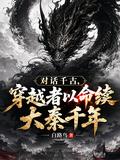
A modern soul transmigrated by chance into the chaotic early years of the Chongzhen reign, inhabiting the body of a low-ranking soldier in the Gansu garrison in the northwest. The realm was in turmoil, bands of rebels were everywhere, the Later Jin had invaded, and Gansu was a desolate, bitterly cold land where the fires of war still burned.
With a vision far beyond his time, he rose from the depths of despair. Through astonishing means, he raised a thousand-mile wall of ice, braved the wind and snow to defend the borders, gathered refugees, and trained a powerful army, carving out a kingdom for himself in the northwest.
He expanded westward, pacified the tribes to the south, and drove off powerful enemies in the north, sweeping across Central Asia step by step and extending his realm over thousands of miles. As the Great Ming dynasty teetered in the storm, he led his battle-hardened forces east to contend for the Central Plains. In the end, he unified the realm, ascended the throne, and founded a prosperous dynasty that surpassed even the Han and Tang!
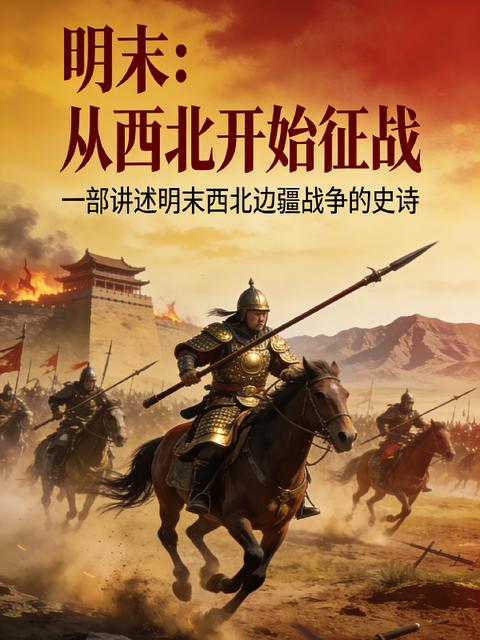

It's well-written, but the protagonist has a major flaw: he's fine when fighting, but he gets scared and afraid of everything when he encounters anything related to powerful families or influential clans.
A breath of fresh air in the late Ming Dynasty time-travel genre! The plot details the protagonist's gradual rise from a lowly soldier in the Northwest to power, with solid and grounded portrayals of military affairs, people's livelihoods, and the economy. While avoiding mindless wish-fulfillment, it showcases the tension of rising from dire circumstances.
This book is considered a superior work among late Ming Dynasty novels. Many late Ming Dynasty novels are just wish-fulfillment stories and are hard to read. In this book, the protagonist takes one step at a time, and the economic, social, and military aspects are all very interesting. Establishing a foothold in the northwest corner is also a possibility for saving the world in the late Ming Dynasty. Keep updating!
There are no cheat codes; it's incredibly realistic, giving you a real sense of the brutality of close-quarters combat. The protagonist fights for power step by step. Five stars, no need for flattery.
This is a good novel about the late Ming Dynasty. The gentry and officials of that era had money and grain, but the court couldn't collect it. After over two hundred years of peace, the court was short of funds and couldn't collect taxes, even worse than during the Hongwu and Yongle reigns. The gentry and officials preferred to waste money rather than care about the common people. 😏😏😏😂😂😂
So beautiful, so beautiful, so beautiful, nice, so beautiful, so beautiful, ahhh!
This book isn't particularly realistic despite its lack of a systematic approach; it's definitely a hidden gem.
The protagonist uses a future perspective to contemplate the future political system, cultivate his own official system, military system personnel training, successor personnel training, imperial power extending to the countryside, territory easy to conquer but difficult to govern, and if the Ming Dynasty system is continued, will the future dynasty still collapse and its descendants still be slaughtered.
The language is gentle; I like this style. Good time-travel novels should use language reminiscent of historical fact, without exaggeration. Not bad.
Good, well written.