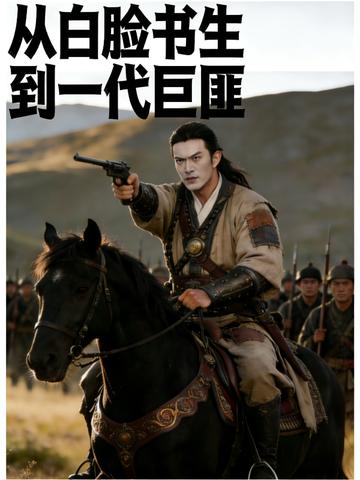
From Bookish Youth to Bandit King is a historical epic set amid the turmoil of western Hunan, spanning the years from 1908 to 1950. The story follows Bai Qisheng, the youngest son of Bai Qimei, a landlord from the Bai family stronghold in western Hunan. Born frail and sickly, he was mockingly nicknamed “the pale-faced scholar,” but being spoiled rotten made him cruel and unruly. When he was ten, he beat his private-school teacher to death with an inkstone. After his parents paid to settle the matter, he plunged headlong into a life of lawlessness.
At fifteen, he was sent into the army, but after stabbing his squad leader for trying to control him, he stole a gun and fled, setting out on the path of banditry. First, he guarded opium merchants’ shipments; then he built his fortune by robbing other robbers and seized a mountain to become its ruler. In western Hunan, a lawless land beyond anyone’s reach, he maneuvered among local strongmen, warlords, the Japanese, and the Nationalist army, switching sides and turning against his allies as it suited him. Through bribery, scheming, and bloody battles to swallow up his rivals, he gradually rose to become the region’s greatest bandit.
Through more than forty years of Bai Qisheng’s life, the novel depicts the upheavals in western Hunan from the late Qing dynasty to the eve of the founding of the People’s Republic of China, portraying a complex soul warped by his times. He is both a fearless bandit and a cunning schemer; he retains a trace of tenderness for his family, yet shows outsiders no mercy. In 1950, the People’s Liberation Army finally crushed his forces, and he was publicly tried and executed, bringing his life of crime to an end.

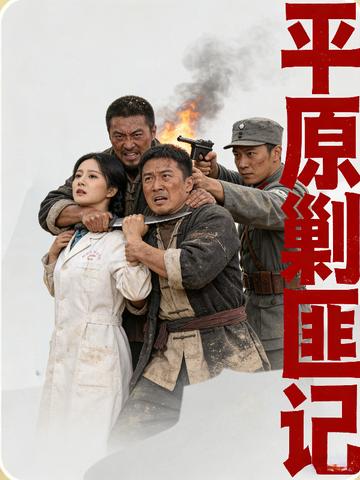
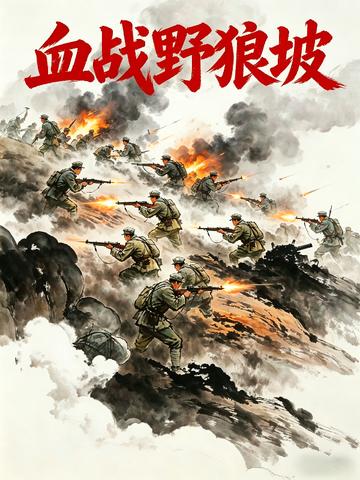
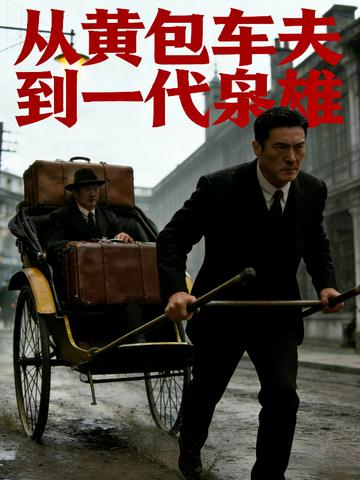



It is a wonderful and thought-provoking book that reveals how a thin boy was raised step by step by his father to become a bandit leader. Super beautiful and rare!
The Anti-Japanese War used "heaven and earth as a chessboard and life as a chess piece" in the mountains of western Hunan to fight wits and courage with the Japanese aggressors.