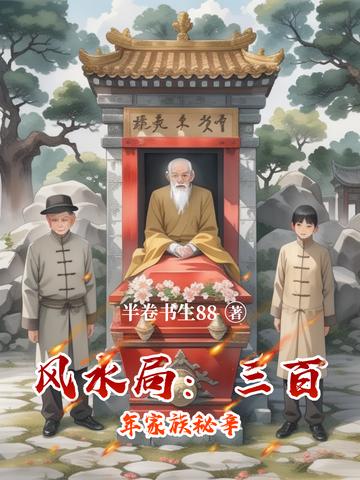
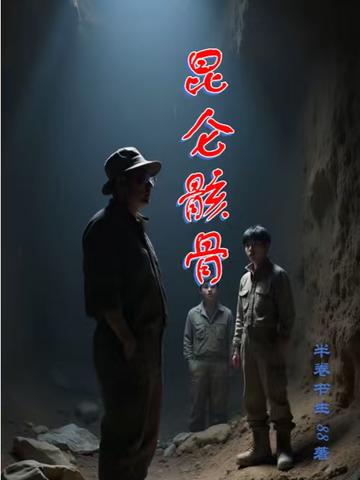
In the early years of the Republic of China, Zhao Gui, a wealthy merchant from northern Shanxi, dies. As his body is laid to rest, a strange rain falls from the sky. A geomancy master declares it a once-in-a-century auspicious sign that will bring blessings to his descendants. Yet as the forces of feng shui shift, fate plays a cruel joke: the Zhao family does not prosper, but instead collapses overnight amid the land reform movement. The eldest grandson, Zhao Sihai, is paraded through the streets in a tall hat, stripped of all the family’s property. All that remains are three empty tile-roofed rooms and an ancestral grave concealing a secret.
It is not until a Southerner barges into the old shop Zhao Sihai has taken charge of and reveals the truth in a single sentence, “Water flooding a yin dwelling is a terrible omen!” Even stranger, this stranger knows every secret of the Zhao family, including the bizarre story of how Zhao Sihai’s wife suddenly became pregnant after he saved a woman who was trying to hang herself. Only when the family’s decline, his father’s mysterious origins, and the uncanny downpour at his great-grandfather’s burial are linked together does Zhao Sihai realize that they all point to the feng shui arrangement his great-grandfather set up shortly before his death, known to no one else.
Seventy years of family fortunes rising and falling, three generations bound together by fate. When Zhao Sihai finally digs open the ancestral grave, he finds not his forebears’ bones, but a vermilion-lacquered coffin. It is empty, with only four words carved into its base: There is a trap within the trap.