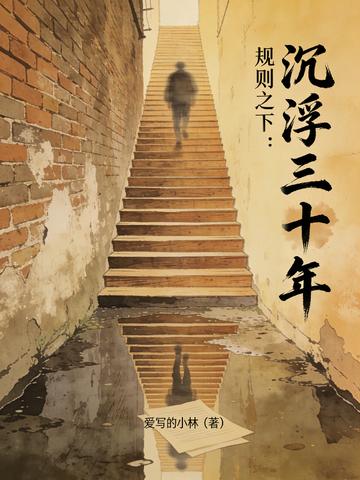
In 1982, young intellectual Liu Zhimin is sent to a remote township for being “too naive.” He believes knowledge can change one’s fate, but soon discovers that denunciation letters end up in the hands of the people they target, and that ideals and love crumble in the face of reality. Thirty years later, he has become the provincial secretary best at “getting things done,” yet late at night, he stares into the mirror and can no longer recognize himself.
He built towering skyscrapers, but lost the ability to gaze at the stars;
He mastered every rule, yet late at night, he stares into the mirror and can no longer recognize himself.
From refusing to bow his head to learning to bend, from idealistic youth to a player in the world of power, Liu Zhimin spends thirty years on a distinctly Chinese path to maturity.
How does a proud, aloof scholar have his edges worn away, step by step, by the realities of life and the rules of the system? He struggles through a transformation from “refusing to bow” to “having no choice but to bow,” and finally to “bowing out of habit.” He spends half his life climbing upward, finally reaching a position from which he can look down on everyone, only to discover that he has long been standing at the edge of a cliff.
This is not a story about a “good person turning bad.”
Perhaps it is a story about everyone in today’s society:
If the price of survival is losing yourself, are you still willing to survive?