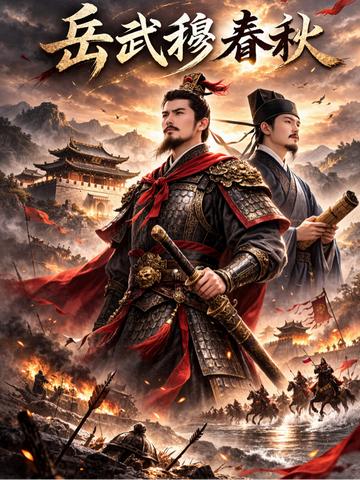
In the final years of the Northern Song, the realm was collapsing and its lands lay in ruins. The Khitan were in decline, while the Jurchen rose with startling speed. Their iron cavalry swept south, and the flames of war engulfed the Central Plains. Then came the Jingkang Incident: Bianliang fell, the two emperors were taken north, and the court and people fled south. From then on, the Song survived in a corner of the Jiangnan region. Amid this era of upheaval, when the dynasty’s very survival hung in the balance, a warrior born to a humble family rose from the countryside, joined the army, and plunged into the chaos. His name was Yue Fei. He was no heaven-sent general, nor was he born to wealth and status. Instead, he tempered his edge step by step amid war and displacement. Grounded in the true history of the early Southern Song, this novel reconstructs his entire life, from common-born youth to commander-in-chief. It follows his arduous work building an army, training troops, leading northern campaigns, and resisting the Jin, while portraying his loneliness and clear-eyed resolve as he navigates the narrow spaces of power. On the battlefield, he forged an army’s spirit through strict discipline and fought bloody battles for every inch of the realm. At court, however, he was repeatedly hamstrung, his every move constrained. Loyalty clashed constantly with reality, while ideals collided again and again with political intrigue. The novel not only depicts grand battles of clashing blades and thundering cavalry, but also explores the shifting fortunes of loyal men such as Zong Ze, Zhang Xian, Niu Gao, and Han Shizhong, along with the tangled political struggles among powerful ministers, scholar-officials, and eunuchs, where the flames of war intertwined with the hearts of men. This book does not turn Yue Fei into a flawless icon. Instead, it portrays a real man with sharp edges and doubts, a man of passion and compassion. Though he knew the road ahead was perilous, he chose to face the tide of his times as a soldier. What he defended was not only lost territory and the borders of the realm, but also the line a dynasty refused to let be crossed. The title, Spring and Autumn, refers not to the passage of years, but to the choices and costs amid the rise and fall of fortunes.
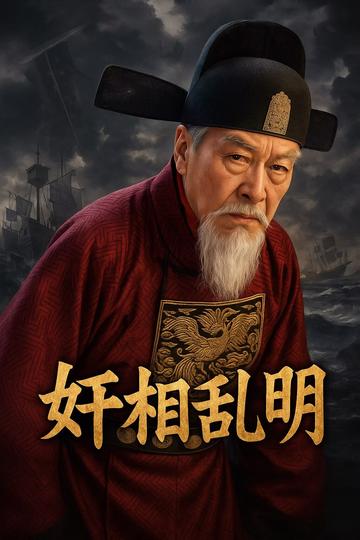 The Treacherous Chancellor Throws the Ming into Chaos
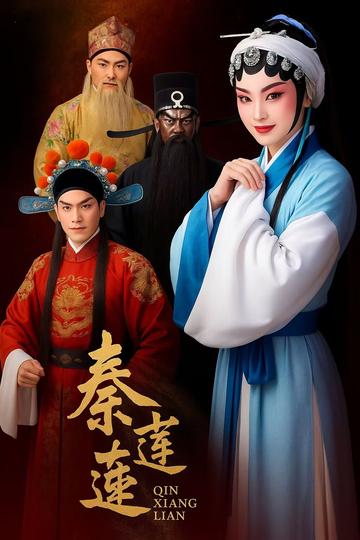 Qin Xianglian
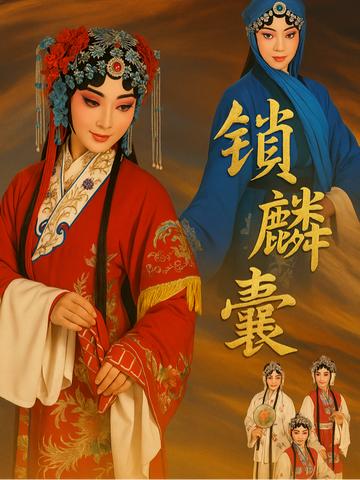 The Legend of the Jade Hairpin Pouch
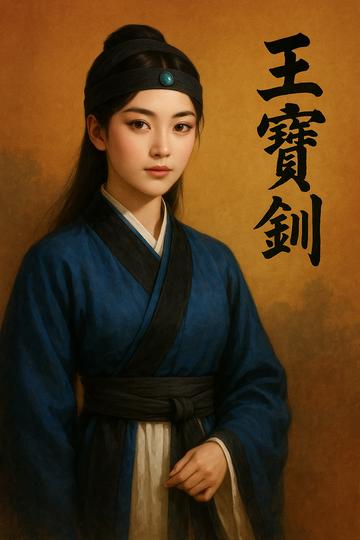 Wang Baochuan
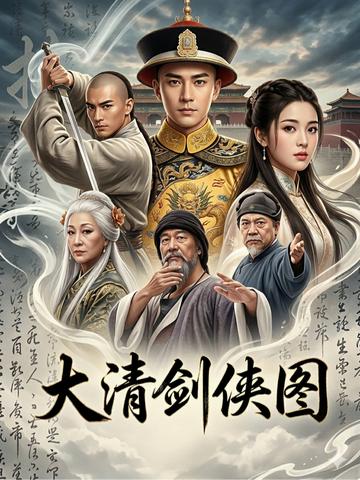 The Great Qing Swordsmen
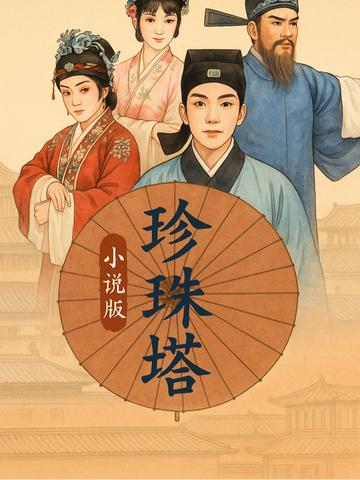 The Pearl Pagoda
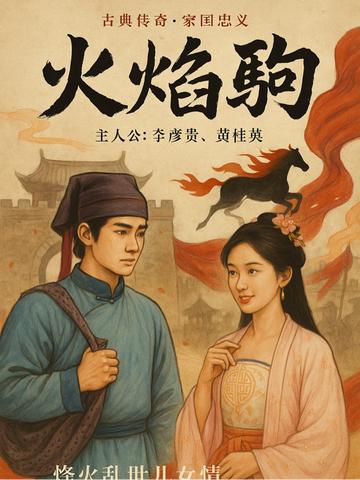 The Flame Steed
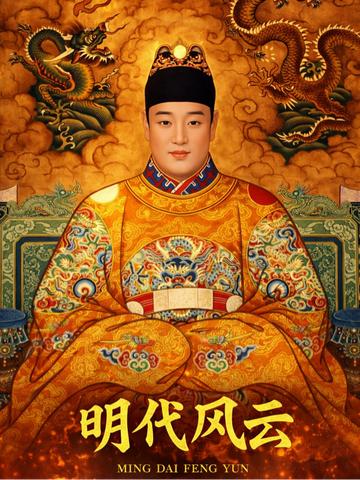 Turbulent Times of the Ming Dynasty
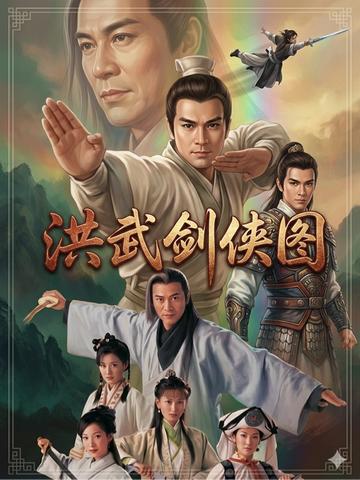 The Hongwu Swordsman Chronicles
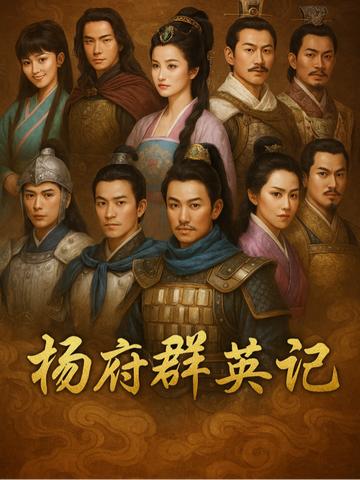 The Heroes of the Yang Mansion
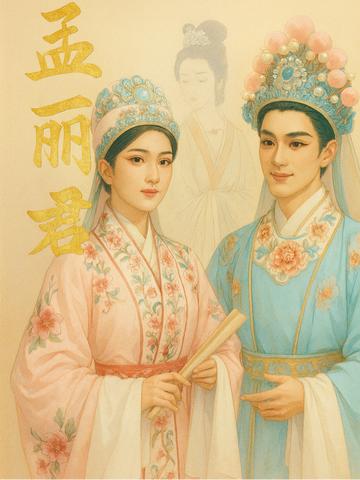 Meng Lijun
 The Heavenly Secrets Unveiled: The Investiture of the Gods