This is a pinnacle work of ancient Chinese mythological fiction, a sweeping masterpiece whose vast world, complex hierarchy of gods and mortals, and profound spiritual depth stand alongside the great epics of the West. Since its publication in the Ming dynasty, it has circulated for centuries and taken root among the people, becoming almost part of the shared memory of traditional culture. Set against the historical upheaval that saw the Shang dynasty give way to the Zhou, the work spans the realms of gods, demons, humans, spirits, Buddhism, and Daoism. It brings together the rise and fall of dynasties, the slaughter of war, loyalty and treachery, good and evil, karmic retribution, and the workings of fate. It captures both the grandeur of an age in upheaval and the vivid, uncanny clashes between gods and demons; it portrays the choices and sacrifices people make amid the tides of history, while also revealing the causes of evil’s downfall and offering a warning. Its poetry and characterization are equally compelling, while its landscapes and geography intertwine with the legacy of human culture, forming a cultural epic that combines grandeur with the aura of divine legend. Yet beyond its popular tales lies a deeper significance, the source of its true value: the virtue and justice embodied in the revolution of Tang and Wu; the inner logic by which tyranny meets its end; the vision of order in which gods, humans, and spirits each follow their proper course; the motives behind people’s choices and the price they pay as one era gives way to another; and the laws of karma, through which Heaven and humanity respond to one another and good and evil receive their due. Most importantly, through parable and myth, it shows how individuals can choose where to stand between good and evil in the face of upheaval and calamity. These lessons, spanning time and space, remain a point of reference and a mirror for later generations. To revisit this book today through the lens of cultivation and culture is not merely to relive a legend. In an age of confusion and change, it is a way to look to the past to understand the present, reflect on ourselves, discern good from evil, and find guidance in the lessons of history
 The Treacherous Chancellor Throws the Ming into Chaos
 Qin Xianglian
 The Legend of the Jade Hairpin Pouch
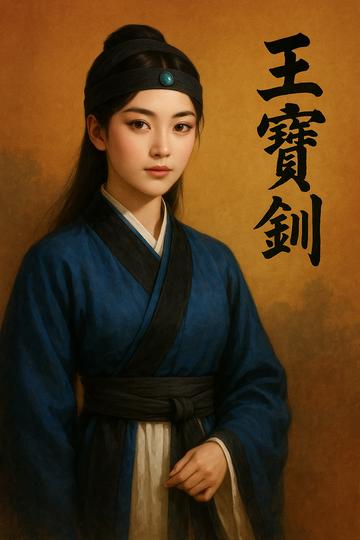 Wang Baochuan
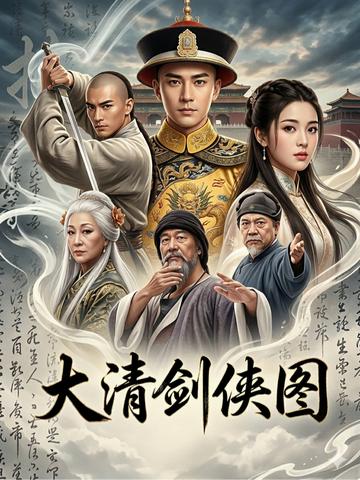 The Great Qing Swordsmen
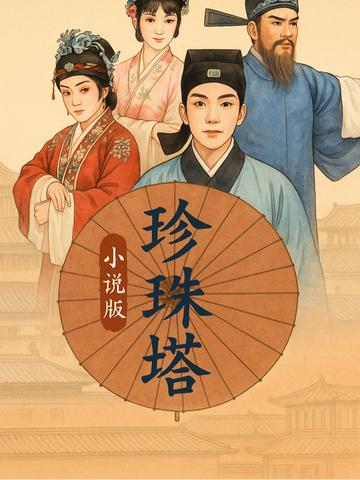 The Pearl Pagoda
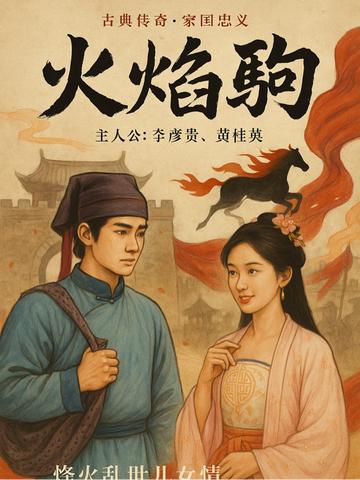 The Flame Steed
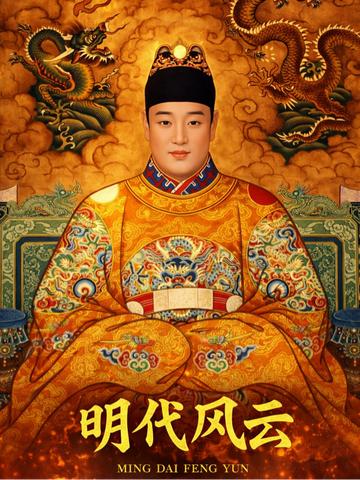 Turbulent Times of the Ming Dynasty
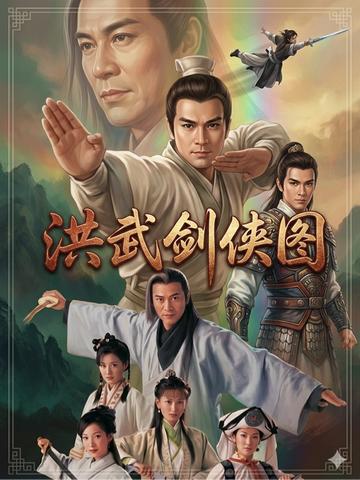 The Hongwu Swordsman Chronicles
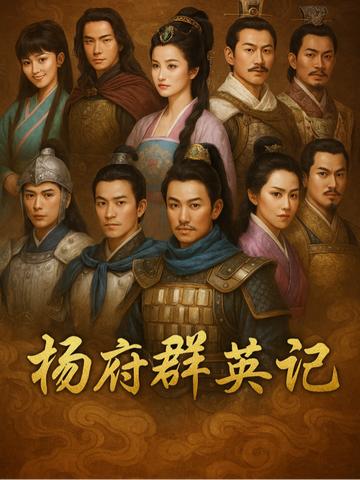 The Heroes of the Yang Mansion
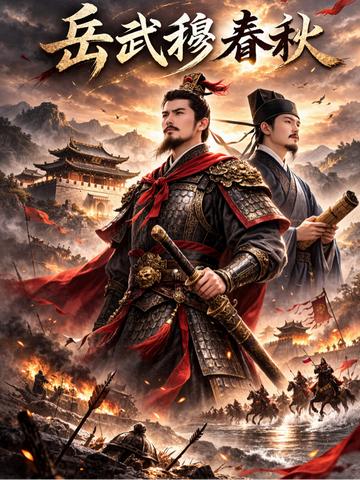 The Spring and Autumn Annals of Yue Fei
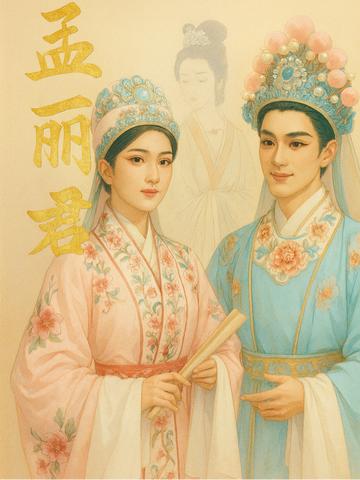 Meng Lijun