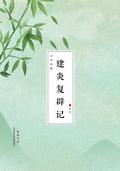
Records of the Jianyan Restoration is a historical account written by an anonymous author during the Southern Song. About one volume in length, it documents a pivotal period of political and military turmoil in the early Southern Song, during the Jianyan era (1127-1130). It focuses in particular on the uprising led by figures such as Miao Fu and Liu Zhengyan, who sought to restore imperial rule, as well as the many details surrounding court power and responses to the crisis. Though the author is unnamed, the work's detailed narrative and unique content make it an important source for understanding the political upheavals of the Jianyan era.
Records of the Jianyan Restoration first describes the situation after Empress Dowager Longyou fled south to Hangzhou. It then recounts how Miao Fu, a military official, and Liu Zhengyan, deputy commander of the Imperial Camp, responded to the unrest by posting a proclamation and launching an uprising. They called for the elimination of corrupt ministers, reform of the government, and restoration of national stability. They took control of the troops and stirred up a political storm across the court and the country, forcing the court to discuss such proposals as having the empress dowager rule from behind a screen and appointing a crown prince. For a time, the very heart of Southern Song rule came under immense pressure. The book gives detailed accounts of exchanges between soldiers and court officials, the emperor's responses, and the empress dowager's mediation, making readers feel as if they were witnessing firsthand a crisis that threatened the dynasty's survival.
For modern readers, Records of the Jianyan Restoration is not only a precious historical source for studying early Southern Song political crises and the rulers' responses, but also vividly portrays power struggles, the interaction between military and government, and the complexity of human nature. Its many scenes of rebellion and negotiation reveal the intensity of internal conflicts in the early years of the Song dynasty, offering a vivid window into the society and political landscape of the Jianyan era.

 Grim Words from the Imperial Prison
 After My Wife Went Back to Her Hometown for the New Year, Her Phone Was Still Connected to Our Home Wi-Fi
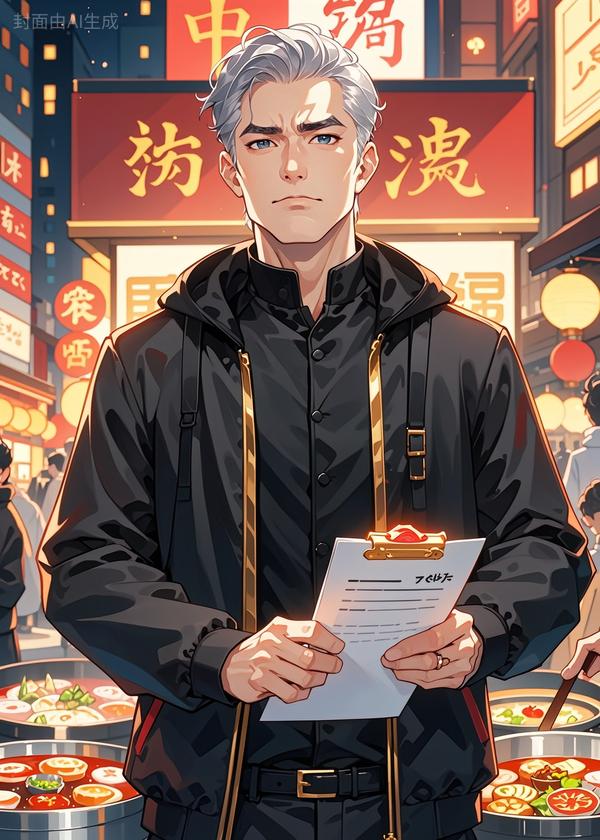 They Cut Me Out of the Profit Sharing, So I'll Ruin Their Hot Pot Business
 Love Sank Into the Sea, Our Fate Scattered Away
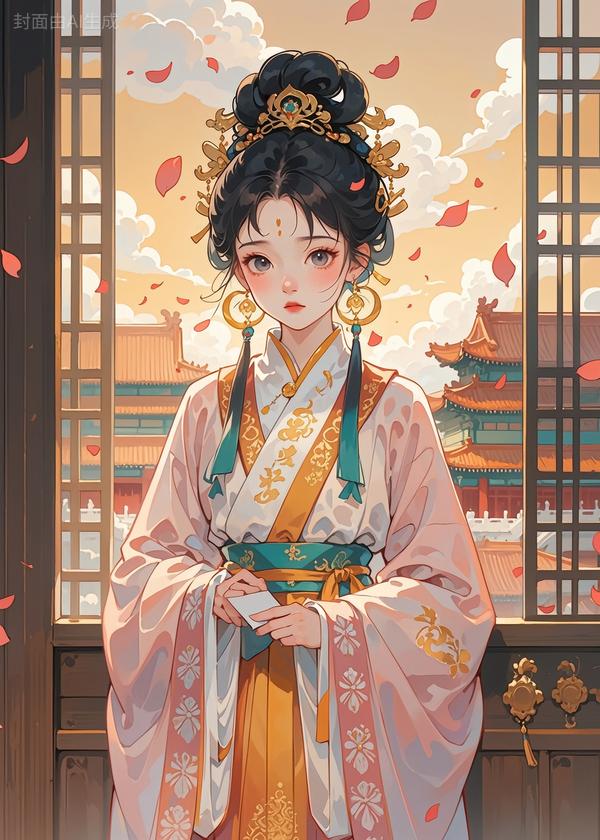 Spring Winds Cannot Carry Old Debts Across
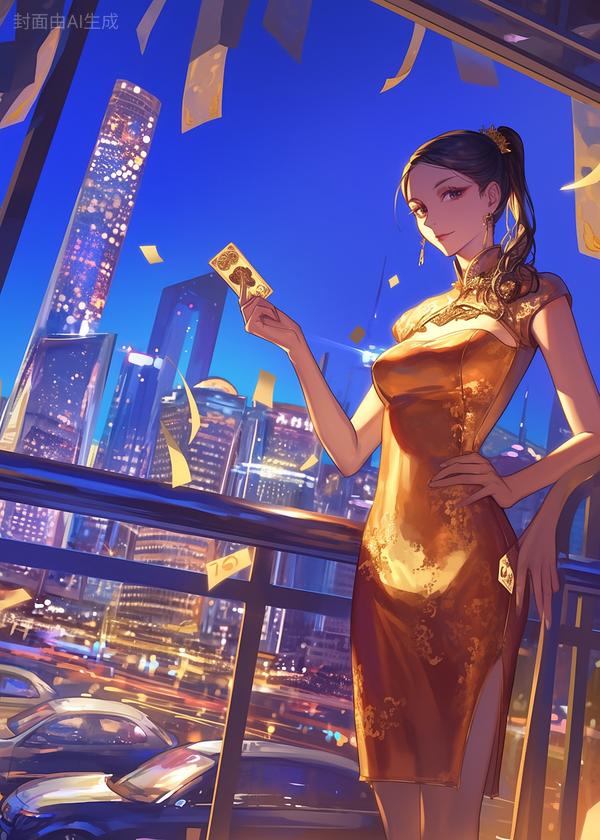 After I Was Reborn, My Younger Brother Gave Me the Lottery Ticket Worth 600 Million
 After My Words Became Law, My Whole Family Went Crazy
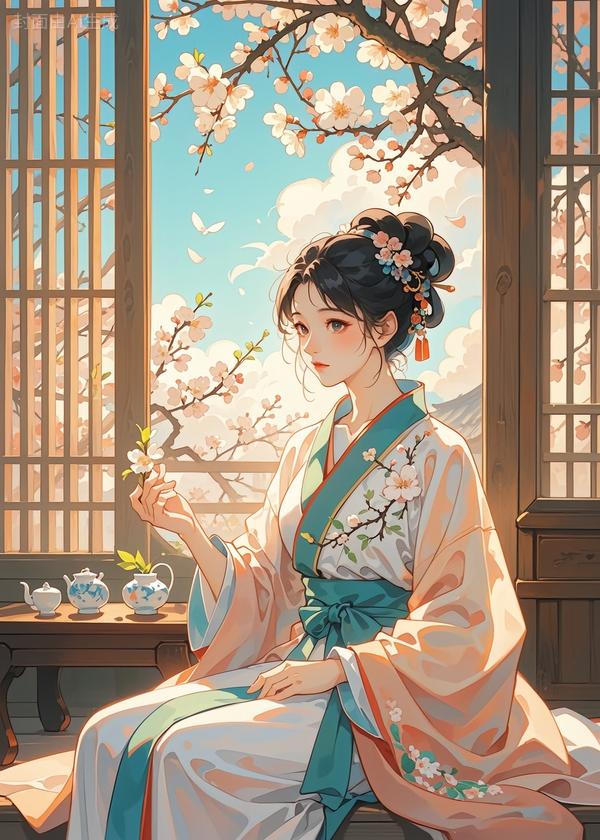 After the Divorce, I Learned to Be a Virtuous Wife
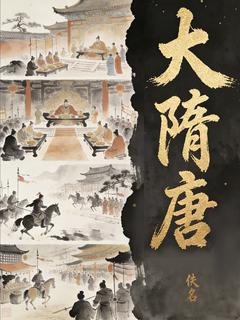 The Great Sui and Tang
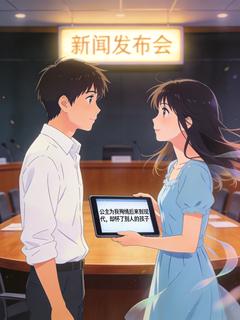 The Princess Died for Love for Me, Then Came to the Modern Era and Got Pregnant by Someone Else
 I'm Flirting with a Young Heartthrob? But We're Married
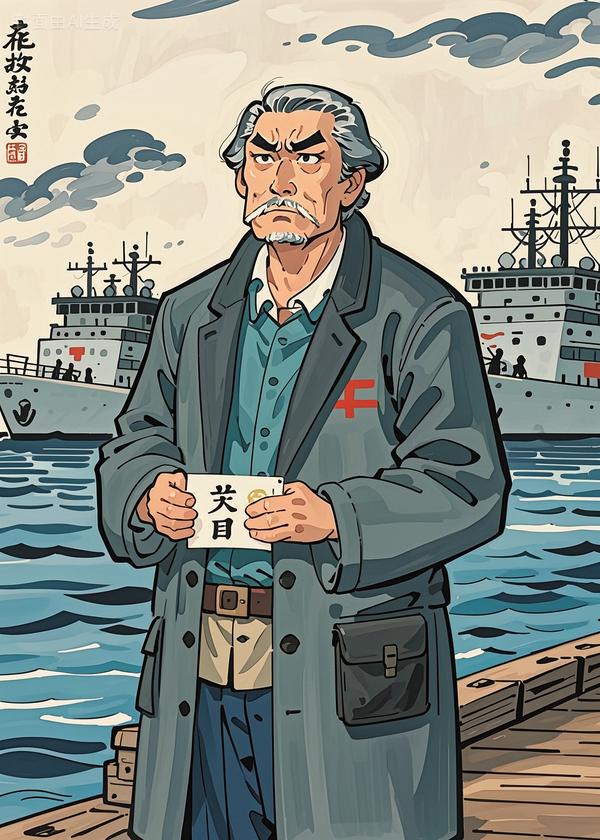 After I Returned My Wife to the Country, She Went Mad with Regret