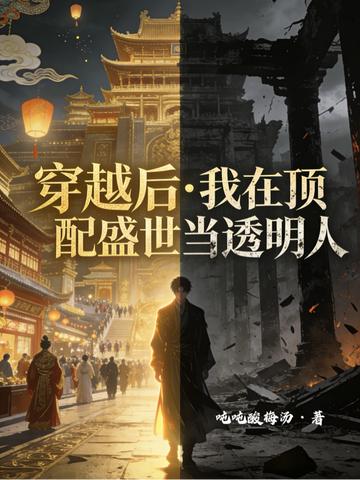
Zhuo Xiuyu, a history student, wakes up to find that he has transmigrated to the Great Yue Kingdom, a nation mentioned only in scattered historical records. He intends to make his mark using modern knowledge, but is stunned to discover an ancient civilization so advanced that it surpasses everything he thought he knew.
Glazed streetlamps illuminate a city that never sleeps. Water-powered looms hum, the work-relief system is highly developed, and envoys from every nation arrive to study, bowing with respect. Here, his modern knowledge is utterly useless. Instead, it makes the perfect cover, allowing him to blend in safely as a “nobody” and take an ordinary job as a recorder in the royal archives.
With brush and ink, Zhuo Xiuyu meticulously records every aspect of this magnificent empire at the height of its glory. But as years of natural disasters and the foreign armies summoned by a rebel general trample the land, he can only watch as this brilliant civilization collapses like a toppled tower. The royal family burns itself alive, corpses litter the land, books are reduced to ashes, and technology is lost for generations.
Because of his unusual relationship with time, he ages slowly. For the next hundred years of enslavement and three hundred years of arduous revival, he is forced to walk alone, witnessing and recording it all. A thousand years later, archaeologists finally brush away the dust of history, and the truth he protected, along with this lost, supremely advanced civilization, reemerges in the light of day.
This is the story of a transmigrator who cannot change history, but spends a lifetime witnessing and preserving the spark of civilization. When glory becomes a final echo, the act of recording it is itself a resistance to being forgotten.