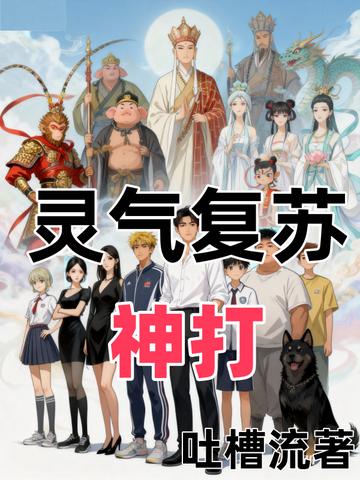
In this age of declining spiritual energy, cultivation is no easy feat. When the poor have no options, they adapt; when they adapt, they find a way forward. And so a group of cultivators emerged, calling upon gods to possess them so they could fight. As a result, old divine statues skyrocketed in value. As it happens, the protagonist's family has some heirlooms left behind by his grandfather: nine figures from Journey to the West, depicting Sun Wukong, Zhu Bajie, Tang Sanzang, Sha Monk, the Little White Dragon, Nezha, Erlang Shen, the Howling Celestial Dog, and Chang'e.
These statues are the most precious inheritance left to Li Erlang by his late grandfather. His grandfather was a renowned carpenter in their hometown, with masterful skills and, more remarkably, a devout faith in Buddha. When Li Erlang was a child, he was obsessed with Journey to the West and pestered his grandfather to buy him toys. His grandfather couldn't afford the expensive plastic figurines, so he seized an opportunity to obtain a fine piece of ebony from the rafters of a run-down temple slated for demolition. He spent an entire year carving these nine statues, using his exceptional skill and heartfelt devotion. They were so lifelike that even the patterns on Sun Wukong's armor and the fluttering folds of Chang'e's robes were clearly visible.
After his grandfather passed away, Li Erlang kept the statues with him. He remembered how his grandfather had offered incense to Buddha and the bodhisattvas every day, so he followed his example, lighting a stick of incense for his “treasures” every morning and evening. He had kept up this habit since childhood, for more than twenty years without fail. It was less superstition than an emotional connection: a way to remember his grandfather and protect his childhood dreams. And now, the things his grandfather left him were more precious than gold.
 The Divine Healer Li Shixuan
 The Martial Cat
 A Substitute at the End of the Ming: I Am Liu Shan
 The True Lord Who Manifests the Virtue of Water
 The Great Hero of the Star Wars
 King of the Scottish Premiership
 Naruto: Kakashi and the Boundless Water Release
 High Martial: The Mighty King
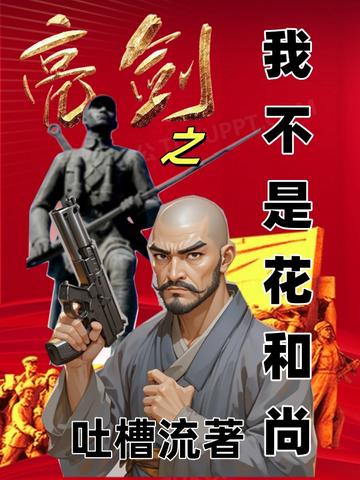 Bright Sword: I'm No Flower Monk