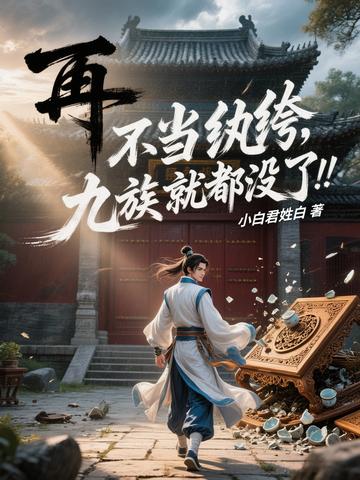
My grandfather was a founding general, so meritorious that he could erect his own monument grove.
My father was the dynasty’s chief minister, a man whose brush could shape the fate of the realm.
At first, I was eager to make my mark. With a background like this, if I didn’t have the run of things in ancient times, my transmigration visa would have been for nothing.
Then the bells announcing the new emperor’s enthronement rang across the capital.
My father returned from court and stood in the courtyard, gazing at the stars for a long time. Suddenly, I understood the meaning of his silence: great merit brings no blessings, and great power invites trouble. Our family’s boundless wealth and glory could also be described as “everyone’s about to get fired.”
The next morning, my life took a sharp turn.
I traded my military manuals for The Art of Cricket Fighting, tied a pink silk ribbon to the imperial sword and named it Little Peach Blossom, then spent my days haunting teahouses and blacksmiths’ shops, enthralled by storytelling and the art of forging steel.
The censor tore into me in a furious memorial, accusing me of neglecting my duties for frivolous amusements. But from the palace came only one amused remark: “He’s young. His heart is still pure.”
Every day before going to court, my father would let out a long sigh at me in the courtyard. He measured it to perfection: three parts helplessness for outsiders to see, and seven parts unspoken understanding for the family.
Father and son understood one another without a word. Day after day, we diligently acted out the story of “a family’s misfortune, with a good-for-nothing son.”