His life was one of “doing what must not be done, despite knowing the odds,” a life of “sacrificing himself for the Way.” He was no perfect saint. He was cold, obsessive, and indifferent to others. His laws were severe and cruel, even inhumane. But his original purpose was to strengthen Qin, to free the state from poverty and weakness, and to unite the lands of Huaxia. “I established the law for Qin, not to secure my own position. As long as the law endures, I can die without regret.” This was Shang Yang’s “Way,” and his “obsession.” He devoted his entire life to the law and never once thought to leave himself a way out.
This novel does not seek to whitewash Shang Yang, nor to vilify him. It seeks to portray a real, complex, flesh-and-blood Shang Yang: a strategist, a powerful minister, a believer in Legalism, a lone servant of Qin, and a tragic hero for the ages.
His wisdom, courage, and political skill ultimately became the vast realm of Qin. His death and the destruction of his good name ultimately became an enduring legacy of law in Huaxia.
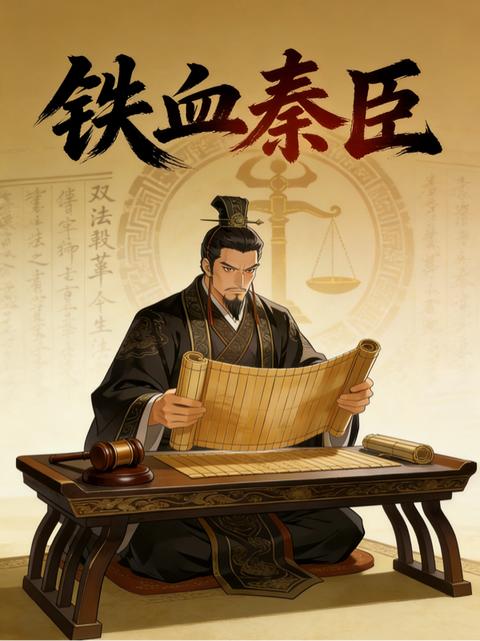

It was written with great care and realism, as if it happened yesterday. You can feel as if you were there, experiencing what happened on this land more than two thousand years ago. Even today, we are still deeply influenced by this Legalist figure. History has warmth, and we can learn from the past to understand the present.