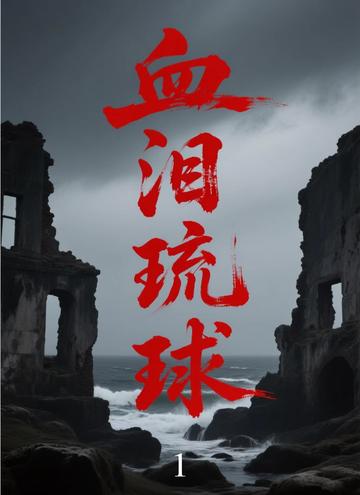
Blood and Tears of Ryukyu is a historical novel set against Japan's annexation of Ryukyu, now Okinawa, in 1879. The story begins in the fifth year of the Guangxu reign, when Japan forcibly abolished the Ryukyu Kingdom and established a prefecture in its place. Through the struggles of Ryukyu's last king and his court, its aristocracy, and its common people, the novel portrays the island kingdom's deep identification with Chinese civilization over five centuries, as well as its tearful, blood-soaked final days.
The novel follows several intertwined storylines: King Sho Tai is forced to leave his homeland; loyal officials Shoko Tokuko and Lin Shigong cross the sea to Qing China to seek help; and Ryukyuans resist in secret. The story depicts the royal family holding fast in a desperate predicament, the sense of duty shown by the Chinese-descended aristocrats of Kume Village, the covert resistance of warriors and fishermen, and the resilience and wisdom of women living in the shadow of history.
Against this sweeping historical backdrop, the novel closely traces how individual lives become bound up with the fate of the nation. Lin Shigong travels north on a mission to plead his case, while his sister Lin Meier weaves a network of informants from within her chambers. The veteran official Mao Yunliang swears a blood oath never to serve in a puppet government; the warrior Zheng Zhaoji rallies patriots; and fishermen risk their lives to open a sea route. Meanwhile, the Qing court wavers between coastal and frontier defense, handles negotiations with Japan weakly, and makes political calculations behind the “division of the islands and revision of the treaty,” leaving Ryukyu's pleas for help ever more faint amid the upheavals of the times.
Blood and Tears of Ryukyu is not only a lament for a lost country, but also an epic of cultural identity, loyalty, and resistance. It asks what dignity in survival means for a small and vulnerable nation, examines the fate of cultural inheritance under the rule of might, and writes in blood and tears of the flame of Chinese civilization over the East China Sea that never went out.