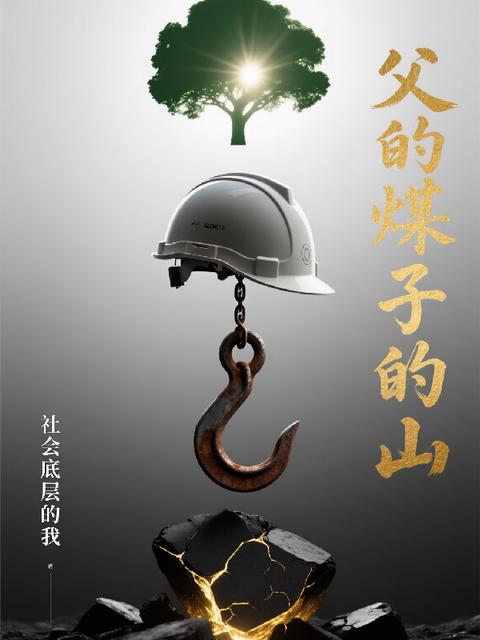
An earthquake. A miner buried beneath a well. A heart-pounding struggle for life and death spanning two eras begins.
In 1976, the Tangshan earthquake shook the earth. Zhao Tiezhu, a miner a thousand meters underground at the Tangjiazhuang Mine, was buried alive for seven whole days. He drank seepage water and chewed coal cinders. He miraculously survived, but lost his right arm forever. In exchange, he gained a son who wailed amid the ruins: Zhao Zhensheng.
From then on, his father's fate was bound fast to black coal.
▶️ With his battered body and iron hook, he inspected miners at the pithead and provided for his family, witnessing the deaths and disasters of the mines. Coal meant food and warmth, blood and tears, and the fate of an entire generation: “Where there's coal, there's life.”
But his son kept his eyes on the ever-growing spoil heap.
▶️ He entered a mining university and returned after completing his studies, only to face a wall of falsified data and collusion between officials and businessmen. He wanted to use knowledge to “move mountains,” but the mountain tried to swallow him first. Reporting wrongdoing, threats, reassignment, unemployment... His ideals crashed against reality until they were left in pieces.
When the conflict between father and son finally exploded,
His father locked the ancestral home with his iron hook. “This mountain took your grandfather, took my arm, and now it wants to take our home too?!”
His son spread out an ecological development plan. “Dad, this mountain has to provide for our grandchildren too!”
From “coal” to “mountains,” from “taking” to being “reborn,” this is a family epic spanning 42 years and a blood-and-tears history of transformation in a Chinese industrial city.