Chen Xiangdong wakes up one day to find himself a trapped beast in a Beijing courtyard.
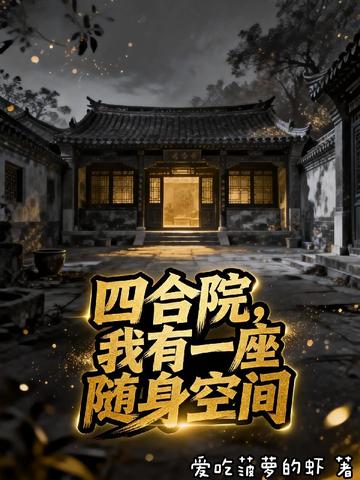
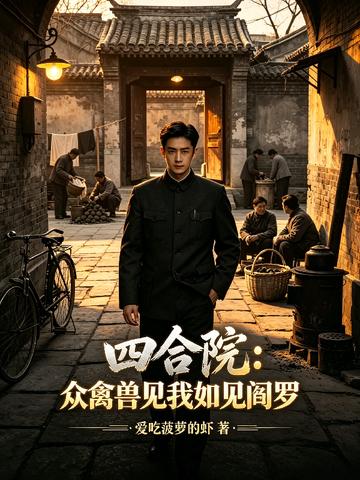
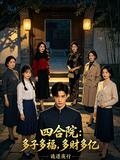
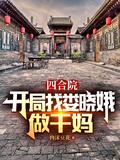
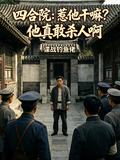
The year is 1965, and the place is No. 95 Nanluoguxiang. This three-courtyard residence may look like a picture of everyday life, but it is really an arena for human nature. Yi Zhonghai, the so-called “Moral Saint,” pressures him to give up his home in the name of the collective. Qin Huairu begs for help while hiding her schemes. Xu Damao stirs up trouble from the sidelines, and Silly Zhu watches him with fists at the ready.
In this desperate situation, a portable space quietly awakens.
The space contains just two mu of poor farmland, but it harbors the power to overturn cause and effect. Crops ripen in a single day, spring water strengthens the body, and it can store things for a hundred years without spoiling. By day, Chen Xiangdong endures and maneuvers; by night, he grows crops and raises livestock in the space. He uses its supplies to lay his plans in secret, whether trading a bag of fine flour to win over the neighbors or using a jug of spiritual spring water to save a key figure and turn the tables.
When the whole courtyard gathers again, Yi Zhonghai angrily accuses him of being “selfish and ungrateful.” Chen Xiangdong gives a light laugh and tosses out a ledger documenting their crimes. In an instant, everyone is stunned, and all the hidden pieces fall into place. It turns out the so-called “beasts” have long been trapped, their lifelines firmly in his grasp by a web woven from the resources of his space.
This is the tale of a transmigrator who uses his wits as a blade and his space as a shield to turn his life around. Chen Xiangdong must not only carve out a path to survival in this courtyard, but also use the technology and knowledge hidden in his space to embark on a path toward building an industrial powerhouse in a turbulent era.