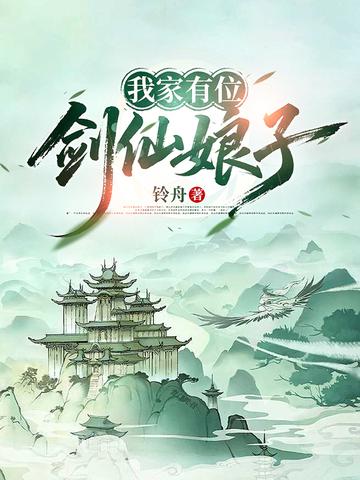
At a single call of “Swords, come!”, countless immortal swords flew toward the mountaintop. The female sword immortal struck down an ancient ferocious beast and departed, leaving behind only the crowd’s admiring gazes.
All the sword cultivators felt honored that their own swords might be borrowed by a great sword immortal.
After being used, the flying swords all returned, but the unfortunate Liu Weilou discovered his was missing. So he decided to demand an explanation.
So what if she was a sword immortal? Did that mean she could borrow things and never return them?
In the end, he not only failed to get his sword back, but got himself caught up in the whole mess.
It's okay, but the drawbacks are as follows:
A large number of disciples do not have the means of self-defense given by their elders when they go out. Without the environment of the cultivation method, these resources are no different from those of casual cultivators.
If a monk in the combined stage cannot see through the disguise of a monk in the foundation building or Mahayana stage, or in the disguise of a monk in the combined stage or in the Immortal Secret Technique, if he cannot see through the disguise of a low-level monk, then he can only pray that the monk who comes close will not be a killer.
If a monk in the integration stage has a single thought and wants to burn thirty years of cultivation, then this cultivation is somewhat worthless. The Sword Immortal has been practicing for more than a hundred years, and he has burned 20% or more of his cultivation in one go. It is recommended to change it.
It is abnormal for an upright elder of a well-known sect to raise a son who is arrogant and mischievous. He is domineering in the sect without being discovered.
A great monk who has at least formed an elixir and a large number of elders cannot cure a mortal's dystocia and watch a mortal wife die of dystocia, unless you become a mortal.
It's okay for him to call the protagonist a cheap master before others teach him the secret. After teaching him, even if he has the status of a master and a disciple, it's time to change his mind. If he wants to become a Taoist couple in the future, he must either tell about his own Taoism, or share the same weight of exercises as compensation. In this way, they are discussing the mysteries of the Taoist Taoist friends. After all, they are peers.
The author is great, is the protagonist a time traveler or a local?

It's okay, but the drawbacks are as follows: A large number of disciples do not have the means of self-defense given by their elders when they go out. Without the environment of the cultivation method, these resources are no different from those of casual cultivators. If a monk in the combined stage cannot see through the disguise of a monk in the foundation building or Mahayana stage, or in the disguise of a monk in the combined stage or in the Immortal Secret Technique, if he cannot see through the disguise of a low-level monk, then he can only pray that the monk who comes close will not be a killer. If a monk in the integration stage has a single thought and wants to burn thirty years of cultivation, then this cultivation is somewhat worthless. The Sword Immortal has been practicing for more than a hundred years, and he has burned 20% or more of his cultivation in one go. It is recommended to change it. It is abnormal for an upright elder of a well-known sect to raise a son who is arrogant and mischievous. He is domineering in the sect without being discovered. A great monk who has at least formed an elixir and a large number of elders cannot cure a mortal's dystocia and watch a mortal wife die of dystocia, unless you become a mortal. It's okay for him to call the protagonist a cheap master before others teach him the secret. After teaching him, even if he has the status of a master and a disciple, it's time to change his mind. If he wants to become a Taoist couple in the future, he must either tell about his own Taoism, or share the same weight of exercises as compensation. In this way, they are discussing the mysteries of the Taoist Taoist friends. After all, they are peers.
The author is great, is the protagonist a time traveler or a local?