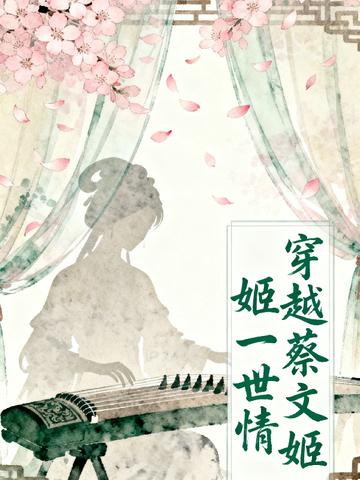
Lin Wei, a modern history student, transmigrates into the body of Cai Wenji in the final years of the Eastern Han Dynasty after an accident. Deeply sympathetic to the talented woman’s tragic fate and armed with her knowledge of history, she tries to protect her family and avert the tragedies ahead. Yet time and again, she is swept along by the tides of a chaotic age: she witnesses her father Cai Yong’s brutal death, suffers the grief of losing her husband soon after her first marriage, struggles between homeland and family during twelve turbulent years among the Xiongnu, and, after returning to Han, finds warmth amid the chaos in her mutual support and companionship with Dong Si.
She once hoped her modern knowledge could rewrite her fate, but in the end, through all her trials, she understands that one person can hardly shift the wheels of history. Yet in Cai Wenji’s name, she turns a lifetime of longing and pain into “Eighteen Songs of a Nomad Flute” and “Poem of Sorrow and Anger.” Interwoven with love between father and daughter, love for one’s homeland, love for family, and the bond between partners, her story not only carries on the cultural legacy but also elevates “a lifetime of love” beyond personal joy and sorrow, making it a portrait of women’s resilience and the brilliance of humanity in a troubled age.