At 32, Su Wan works in brand strategy in Jiangcheng, a major city. After eight years of hard work, she has established herself in her field and saved enough to buy a two-bedroom apartment downtown. She has made a lively, fulfilling life for herself: in the morning, she makes porridge with freshly cut fruit and pairs it with just-baked toast; on her commute, she revises proposals and listens to podcasts; after work, she picks up a seasonal bouquet; on weekends, she visits bookstores and markets and tends the plants on her balcony. Sometimes she meets up with her best friend. Her life on her own is content and full.
But in other people's eyes, her peaceful life is full of "shortcomings." Her parents urge her to marry every holiday. Relatives and neighbors gather around to tell her, "A woman who's thirty and has no husband or home is a failure." Even senior colleagues advise her, "You're better off marrying well than building a career. If you wait too long, it'll be harder to have children."
Wrapped in the guise of "we only want what's best for you," their advice is full of judgment, prejudice, and pressure. It ranges from "The girl next door married well. Why can't you learn from her?" to "If you don't get married soon, no one will want you," from "Having children is a woman's ultimate purpose" to "Living alone is so lonely. Who will look after you when you're old?" These little bits of noise have followed her for years. But Su Wan has never given in. She knows she doesn't want a marriage of convenience or children out of obligation. She wants companionship with someone who shares her values, and a life that isn't defined by others.
This story has no melodramatic romantic entanglements. It follows Su Wan's everyday life amid the bustle of Jiangcheng: she handles the pressures of work and polishes her proposals as she advances in her career; faces the siege of marriage pressure and pushes back against prejudice without losing her composure; and stays true to herself as she builds a life, finding warmth and understanding in its small moments.
She will argue for reproductive freedom with relatives who pressure her to have children, explain the true nature of marriage to friends who urge her to give up her career, and pursue her ambitions with determination despite the criticism. And in a moment when the evening breeze drifts through her open window, she, too, will find herself hoping for love.



 After Being Reborn, He Started Cultivating in Earnest
 Legend of the New Maoshan Lineage
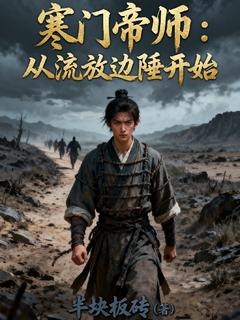 An Emperor's Tutor from a Humble Family: Starting at the Frontier in Exile
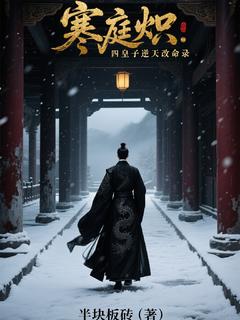 Blazing Cold Court: The Fourth Prince's Record of Defying Fate
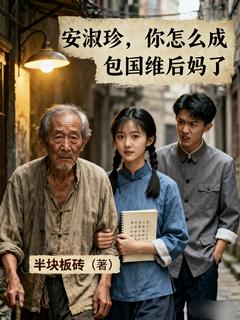 An Shuzhen, How Did You Become Bao Guowei's Stepmother?
 I Was Reborn Thirty Meters After My Head Flew Off
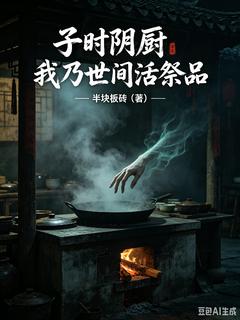 The Midnight Yin Chef: I Am a Living Sacrifice to the World
 I Was Transmigrated and Had My Home Confiscated and Was Exiled
 Transmigrated to the Cultivation World: I Started Getting Stronger by Lending Money
 Damn It, I Just Wanted to Write a Novel, and Now I'm Bound to a System
 My Luck Turned Around After I Was Struck by Lightning
 Reborn: Your Highness, Please Relinquish the Throne