When I first read Journey to the West as a child, I thought the Great Sage Equal to Heaven was incredibly impressive. He smashed the South Heaven Gate with his Golden Cudgel, and the hundred thousand heavenly soldiers couldn’t do a thing to stop him. What a glorious tale of settling scores! Later, when he was trapped beneath Five Elements Mountain, I felt sorry for him. When he fought the demons on the journey to fetch the scriptures, I was thrilled. And when he finally attained Buddhahood, I was happy for him. I was ten then, and I thought that was how stories were supposed to go: raise hell, then get a happy ending.
But then I grew up. When I read Journey to the West again, I found something different in it. Did the Great Sage Equal to Heaven really win when he caused Havoc in Heaven? He rebelled because the Celestial Court disrespected him, gave him a low-ranking post, looked down on him for being a demon, and held the Peach Banquet without inviting him. He was driven to it. And was Sun Wukong really free on the journey to fetch the scriptures?
With a golden headband on his head, crying, “Master, save me!” When he killed a demon, Tang Sanzang still recited the spell that made the headband tighten around his skull. He was being tamed.
And was the Victorious Fighting Buddha truly fulfilled after attaining Buddhahood?
A soul born utterly free is crushed beneath a mountain for five hundred years, then bound for another fourteen, and at the end they give him a title and tell him: There, now you’re free.
But that isn’t freedom.
It’s submission, after every rough edge has been worn away.
The Great Sage Equal to Heaven died, and the Victorious Fighting Buddha lived on.
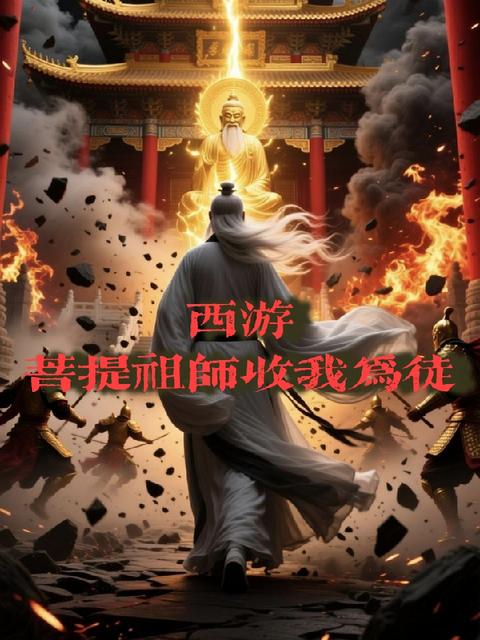




A different Journey to the West, a different group of four. The author has written about another side of the four members of the pilgrimage group, especially the Great Sage, awesome!