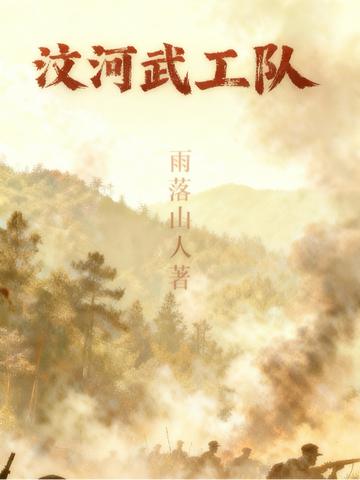
During the War of Liberation, the land of Qilu was engulfed in flames. The area surrounded by Yuluo Mountain and the Wen River became a central battleground for local armed resistance. Under Communist Party leadership, the Wen River Guerrilla Unit was formed, with its captain, Zhao Zhigang, at the heart of the force and Fu Yaoguang, Zhao Chengfa, and others as key members. Rooted among the people and making use of the terrain, they fought a desperate struggle against the Kuomintang security regiment entrenched in the area.
At the time, the situation on both sides of the Wen River was tangled and volatile, and the feud between the Fu and Jia families became a microcosm of class conflict. The Fu family's eldest son, Fu Yaoguang, devoted himself to the guerrilla unit and became a key member through his composure and courage. Jia Sen of the Jia family sided with the security regiment, colluding with its commander, Zhang Qingbiao, to aid and abet the wicked and oppress the people. As the struggle intensified, the families' old grievances deepened.
The guerrilla unit took advantage of Yuluo Mountain's rugged terrain and the Wen River's waterways to wage a flexible campaign: raiding strongholds to seize weapons, sabotaging transport routes to cut off supplies, and establishing secret contact points to win the people's support. When faced with the security regiment's frenzied “sweeps,” the fighters stood their ground through every danger, repeatedly escaping peril with covert help from the people. Zhao Chengfa died covering his comrades' retreat, while Fu Yaoguang remained unbroken after his capture. The people risked their lives to rescue him and pass along intelligence, composing a stirring song of unity between the army and the people.
As the War of Liberation advanced, the guerrilla unit grew stronger, eventually joining the main force in an ambush and all-out assault. In the fierce battle, Jia Sen was defeated, Zhang Qingbiao's main force was annihilated, and the security regiment's rule collapsed.
The Wen River Guerrilla Unit's struggle is a vivid microcosm of local armed resistance during the War of Liberation. Through their unyielding determination, they defeated a powerful enemy and liberated both banks of the Wen River, embodying the people's steadfast pursuit of freedom and resistance to oppression and passing down a legacy of courage and solidarity.
A hundred-character review of "Wenhe Military Workers Team"
"Wenhe Armed Forces" takes the Liberation War as the background and composes a heroic song by the Wenhe River. "Animal Skin" Zhao Zhigang led his team members to intimidate the enemy with legendary achievements such as surprise attacks in disguise, outsmarting weapons, and protecting food for the people. The battle scenes are thrilling and realistic, and the plot of outsmarting the enemy is full of tension. It not only demonstrates the bravery and fearlessness of the military workers, but also highlights the unity between the army and the people. The lines are filled with the passion and sincerity of the war years, allowing readers to truly feel the hardships of fighting behind enemy lines and the heroes' responsibility for their home and country.
The prototype of Zhao Zhigang is Zhao Keyou. In the summer of 1984, he was fortunate enough to meet Zhao Keyou at the county hotel, have lunch with him, and listen to some of his stories.
A hundred-character review of "Wenhe Military Workers Team" "Wenhe Armed Forces" takes the Liberation War as the background and composes a heroic song by the Wenhe River. "Animal Skin" Zhao Zhigang led his team members to intimidate the enemy with legendary achievements such as surprise attacks in disguise, outsmarting weapons, and protecting food for the people. The battle scenes are thrilling and realistic, and the plot of outsmarting the enemy is full of tension. It not only demonstrates the bravery and fearlessness of the military workers, but also highlights the unity between the army and the people. The lines are filled with the passion and sincerity of the war years, allowing readers to truly feel the hardships of fighting behind enemy lines and the heroes' responsibility for their home and country. The prototype of Zhao Zhigang is Zhao Keyou. In the summer of 1984, he was fortunate enough to meet Zhao Keyou at the county hotel, have lunch with him, and listen to some of his stories.