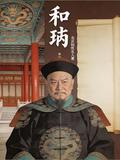
Synopsis of The Story of the Qing Empire
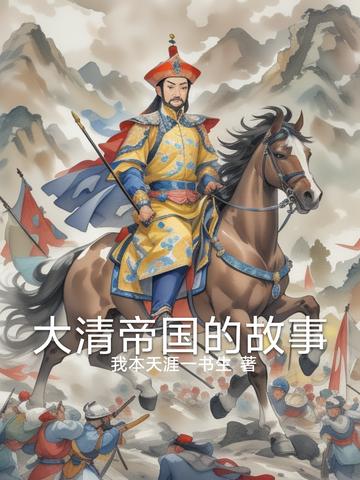
From the bonfires of Hetu Ala to the sunset over the Forbidden City, from its rise on horseback to its decline in the modern era, The Story of the Qing Empire presents a sweeping account of the 276-year rise and fall of China's last feudal dynasty. It recounts Nurhaci's ambition to unite the Jurchen tribes and Hong Taiji's foresight in renaming his state the Qing, as well as the Qing army's triumphant entry through the passes and conquest of the Central Plains. It portrays the Kangxi and Qianlong golden age, the empire's vast territory and economic prosperity, the compilation of the Complete Library of the Four Treasuries, and the consolidation of a multiethnic state. It also confronts the seeds of decline: corruption in officialdom and the policy of closing the country to the outside world.
When the industrial West's powerful ships and guns forced open the gates of ancient China, the Opium War's cannon fire shattered the illusion of a flourishing age. Treaty ink, the flames of uprisings, and struggles for reform intertwined in a modern China marked by humiliation and resistance. From the Self-Strengthening Movement's efforts to develop industry to the institutional reforms of the Hundred Days' Reform, from the Taiping Heavenly Kingdom's sweeping rebellion to the thunderclap of the Xinhai Revolution, the book portrays the political calculations of emperors and ministers and the patriotic fervor of those who sought to save the nation. It also records the hardships and perseverance of ordinary people caught in the tides of history.
This is not only a history of dynastic change, but also a portrait of a multiethnic society coming together and an elegy for a traditional empire swept up in the shock of modernization. It holds the secrets of a golden age as well as the lessons of decline, helping readers understand the roots and course of China's century of upheaval through the rise and fall of a dynasty.