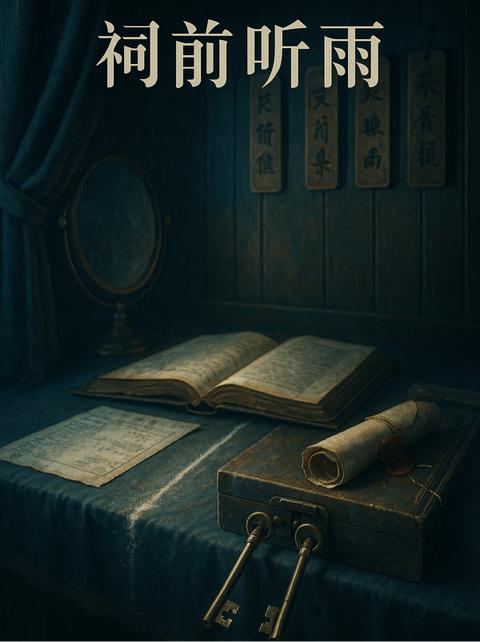
On the night the new emperor ascends the throne, the spirit treasury of the state shrine suddenly falls silent. The city's lights remain lit, but the offerings receive no response. Someone shifts the giver and recipient positions in a prayer by just one place, redirecting the flow of spiritual resources and quietly changing everyone's share. Gu Yan, a minor clerk from a collateral branch of the Gu family who copies oath contracts and organizes shadow projections, is drawn into a five-way struggle among the imperial court, the state shrine, the inspectors, the sects, and the guilds. Cen Zhiyan uses old rules to challenge the new text; Lu Heng builds a chain of evidence with seals and three forms of verification; Shang Zaiyi tests where to place his allegiance, weighing guarantees against pulling the ladder away; Old Madam Meng wants only to keep her family from being dragged into the fray. When the spiritual tide reaches level seven, the formation gates must be halted before the dispute can begin. The shrine holds an open ceremony for three days to air its ledgers, and any withdrawal of an oath must be punished and written into the new statutes. Some are held accountable, some step down, and someone posts a family rule on the gate. In the end, vengeance is settled not with blood, but with the books; power comes not from grand displays, but from procedure. When the wind dies down, the ledgers close, and the city has only changed one lamp.