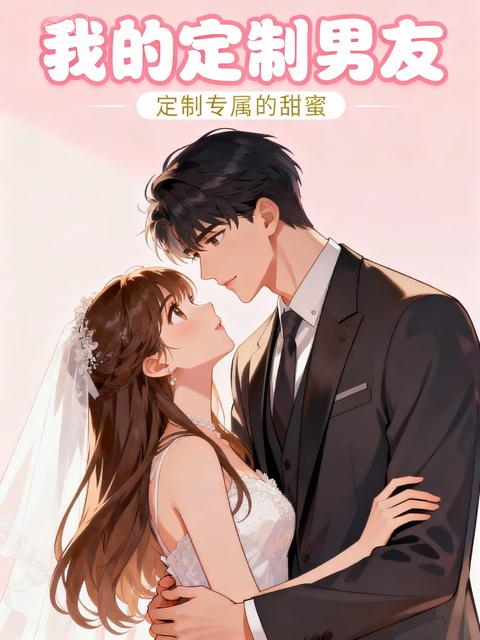
In a snowy studio, Shen Nian clutches a broken pencil and gazes at a sketch of Lu Zeting, her unrequited love of six years. But on her phone, his engagement photo hurts her eyes. Childhood emotional abuse and isolation at school made Lu Zeting her only “light.” Now that light shines on someone else.
In despair, she finds the “Wen Xu Dolls” shop in an old alley. She gives them the orange candies she has kept for five years and Lu Zeting’s old fountain pen, then describes his soft, light-brown hair and amber eyes. She commissions a life-size doll, “A Ze,” as a vessel for her obsession.
She never expected a doll filled with genuine affection to awaken. A Ze steps in front of her when her mother scolds her, brings her warm milk when she stays up late, and grows downcast whenever she mentions Lu Zeting. When Lu Zeting comes back to pester her, A Ze says, his parts clanking, “Don’t touch her.” From substitute to one and only, his awkward tenderness sees through her disguise and heals her wounds.
When Lu Zeting’s true nature is exposed, Shen Nian confronts her trauma and finally understands that the doll she commissioned was never a substitute. He is someone who loves her with all his heart. Later, she takes over the keys to Wen Xu’s shop and stays in the old alley with A Ze, making dolls for people who arrive carrying their own obsessions. Just as someone once caught her in her despair, they become a “light” for others.
This is a story of obsession and healing, and of mutual salvation across the divide between “human and nonhuman.” The best love isn’t about gazing up at the sun. It’s someone crashing into your winter with a warmth meant just for you, saying, “I’m not a substitute. I’m A Ze, and I love you.”