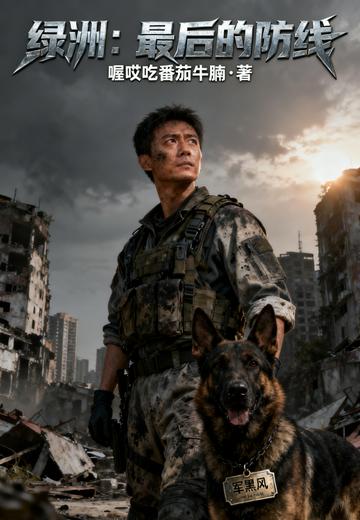
Oasis: The Last Line of Defense
绿洲:最后的防线
- Status
- Ongoing
- Length
- 169k Words
- Genre
- Sci-Fi & Apocalypse
- Updated
- 11mo ago
- Source
- Fanqie
Synopsis
87Chapters
215Reads · all time
More by this author
 The Queen Returns: The Real Heiress Has Secret Identities Across the Globe
 Doomsday Train: The 43-Day Escape Plan
 As Tang's Crown Prince, I Got a World War II Arsenal from the Start
 Light of a Fallen World: 2085
 Reborn in the Apocalypse, I Tap Foreign Capital to Save China
 The Strange Tales of Liaozhai's IOUs
 Steel Eagle: My Modern Empire
 Nuo Exorcist: Criminal Investigation Records
 The Bear and the Eagle Vie for Supremacy: Dongda Sneaks into Eagle Sauce's Home
 Awakening from a Dream: The Iron-Blooded Ninth Prince
 Global Waterworld: My Shelter Upgrades Itself
In booklists 7




Any Books About Nations Fighting a Zombie Apocalypse?
I do not want to read apocalypse novels where everyone only cares about living comfortably for themselves anymore.
255Books6.7MViews14hUpdated





A 9.5-Rated Apocalypse Masterpiece: Shattering Human Nature and Rebuilding Civilization
Looking for books like "The Apocalypse Has Arrived: Little Corpse Girl Here Is Getting Recruited!"
350Books7.1MViews2dUpdated



No More Masterpieces in the Apocalypse. Prove Me Wrong
280Books8.9MViews3dUpdated



Looking for Pure Zombie Stories: No Mutations, No Natural Disasters
All you big shots, come on over!
142Books5.5MViews7dUpdated



Guys, Recommend Some Highly Rated Zombie Novels
541Books29.7MViews8dUpdated



Please Recommend Some Good Apocalypse Stories
23Books71.3kViews12dUpdated




Looking for Post-Apocalyptic Zombie Stories Rated 9 or Higher
272Books3.5MViews15dUpdated
Reader comments 1
Translated by Google Translate
This apocalyptic novel uses hard-core details and vivid characters to write "Hope in the Ruins" in a heart-wrenching and passionate way. It reads like chewing compressed cookies and drinking ice soda, rough and refreshing. The story takes root in the mountainous city of Chongqing, turning Internet-famous landmarks into ruins infested with zombies. The light rail tracks are covered with moss, and night demons wander around the entrances of hot pot restaurants. It not only enhances the sense of place, but also uses the humor of Northeastern dialect to offset the depression of the apocalypse - Lin Han's sentence "Qiu Mingshan Mountain Car God has to pass on the root of Hua Zi", which instantly makes survival in the apocalypse more exciting. The combination of one person and one dog is even more touching. Heifeng is not only a fighting partner, but also Lin Han's spiritual support against loneliness. From the tacit cooperation when searching for supplies in the supermarket to the mutual support in the dark training, every detail is the bond of life and death. The most rare thing is that it does not fall into the routine of "killing monsters and upgrading". Instead, it buries a lot of real survival anxiety: the rush when the energy suddenly cuts off, the shortage when inventorying supplies, the self-doubt when serum research is stuck. These "uncool" details make survival in the apocalypse more weighty. Lin Han is not a superman who saves the world. He is just an ordinary person who carries the trust of his mentor and relies on his unyielding energy to carry on. He will be ecstatic over a box of self-heating hot pot, and will emo to family photos late at night. This kind of "down-to-earth" struggle is more empathetic than a grand narrative.