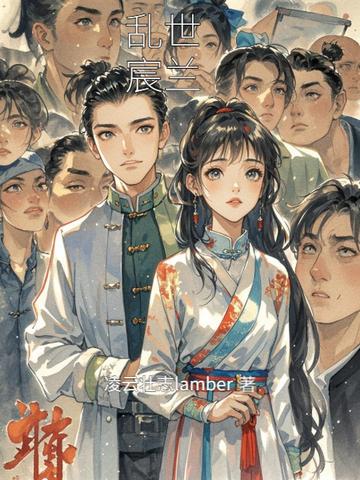
In 1905, a son was born to the Chen family of Jiangnan. The family held a three-day feast on its thousand acres of fertile land, and the He family gave a jade pendant as a gift. Chen Chenrui had no idea then that the lavish celebration surrounding his birth marked both the beginning of a life of wealth and glory and the start of a lifetime of shackles.
He was the cherished young master of a landlord’s family; she was the gentle daughter of the He family in the neighboring village. They chased butterflies in the courtyard and studied together in the library, and their childhood affection quietly blossomed amid the turmoil of the late Qing and early Republican eras. But troubled times never let tenderness linger. Warlord conflicts shattered their peaceful life. To protect his family, he transformed from a callow young master into a grain supply officer who navigated between rival powers. She kept the home front running with chalk in hand, while secretly working for the progressive cause.
From the May Fourth Movement to the flames of the War of Resistance Against Japan, from the War of Liberation to the founding of New China, the Chen family’s fertile fields were consumed by war, and their ancestral home was placed under military control. The once-wealthy family eventually became ordinary citizens. He was denounced for his landlord origins; she walked ten li to bring him clothes and food. He hid progressive publications; she rescued captured soldiers.
Through eighty years of storms and upheaval, the Chen family rose and fell, while he and she held one another’s hands from toddlers to white-haired elders. This is not only the story of a landlord family’s rise and fall, but also a heartfelt declaration of love between two people carried across the eras by war and chaos: though the land may be shattered and the years may bring change, you and I will hold fast to Chenlan together.