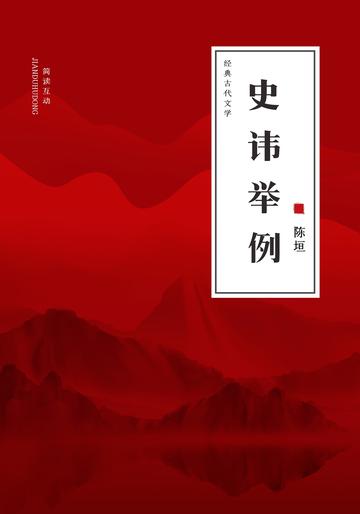
Have you ever wondered how many names in the history books have been "altered," "avoided," or "changed into variants"? Examples of Historical Name Taboos is a work that reveals the twists and ingenuity of China's tradition of avoiding taboo characters. It restores, in the gaps of history, the names that were erased and the true and false variants that arose from name taboos.
Chen Yuan (1880-1971), a renowned modern historian, wrote Examples of Historical Name Taboos with a keen eye for historical documents. He lists more than eighty cases of name taboos and analyzes the methods used to avoid them in historical works of different dynasties, the errors they caused, and the common issues scholars should watch for. The book comprises eight volumes, with chapters including "Methods of Avoiding Name Taboos," "Types of Name Taboos," "Historical Facts Altered to Avoid Taboos," "Errors Arising from Name Taboos," and "Points to Note in the Study of Name Taboos."
Chen points out that some historians, constrained by taboos on the names of emperors and ancestors, had no choice but to rewrite passages or conceal certain characters. In some cases, avoiding a taboo became habitual and led to errors in names; in others, historical facts were forcibly deleted or altered, shifting the truth. Grounded in scholarship while also taking changes in historical sources and linguistic conventions into account, Chen Yuan helps readers uncover the names and records that history has "obscured."
Reading Examples of Historical Name Taboos feels like transmigrating through the mist of ancient texts. On the one hand, you see the traces of historical names being quietly replaced; on the other, you witness a historian's steadfast quest to "restore things to their original state," beyond the names themselves. It is both an accessible introduction to the culture of name taboos and a work that can help you read history with a more discerning eye.