In Chen Zhou, during the third year of Tianfu under the Later Jin, the land is strewn with starving corpses. While Wang Xiaode is digging for sweet potatoes with his niece, he suffocates five Zhou soldiers in a cellar full of smoke. But then he finds refugees looting their supplies. He swiftly kills one who had hoarded food, and blood becomes the law of the army: “A third of the spoils go to the people. Anyone who breaks this rule will be executed!”
That single stroke cuts through the chaos of the Five Dynasties! The former dynasty’s female general Shi Ting joins them with her cavalry tactics. Wang Zhong, a veteran with a lame leg, sets down ten rules for the army. Chen Hui, a scholar from Nanyang, creates a tiered system of rewards and punishments. Even a female soldier who can lift a hundred-jin stone can become a cavalry captain. Using a sweet potato cellar as their base, they hold off the enemy with rolling rocks and raid camps with cavalry. Thirty soldiers dare to take on five hundred Zhou troops, killing two hundred at the cost of twelve lives!
Unlike the historically weak Song Dynasty, this force has civil officials overseeing supplies without undermining the military, and generals with real authority to train their troops. Three-stone repeating crossbows pierce the northern cavalry; ten-zhang warships block the Huai River; and more than a hundred caravans from the Western Regions arrive each month. From the caves of Wagang Stockade to the imperial throne hall in Kaifeng, Wang Xiaode wins the people’s loyalty by exempting military households from taxes and gathers the finest talent by holding examinations open to both civil and military candidates. In the end, he builds a super-empire stretching north to the northern steppes and west to the Congling Mountains.
There are no payments to buy peace, only the ironclad declaration: “Wherever the sun and moon shine, there shall be Song land!”

 The Last Lesson: The Taste of Betrayal
 After I Was Reborn, I Signed the Divorce Agreement
 The Day I Entered the Palace, My Half-Sister Handed Me Poisoned Wine
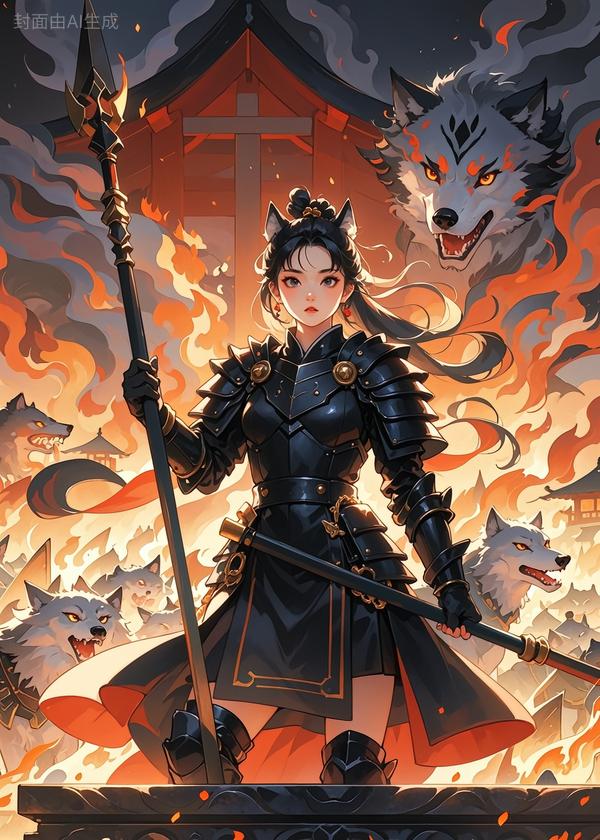 The Iron-Blooded Lady Marquis: Taking Down Scumbags and Claiming Wolf's Abode Mountain
 From Border General to Emperor: The Li Clan's Rise
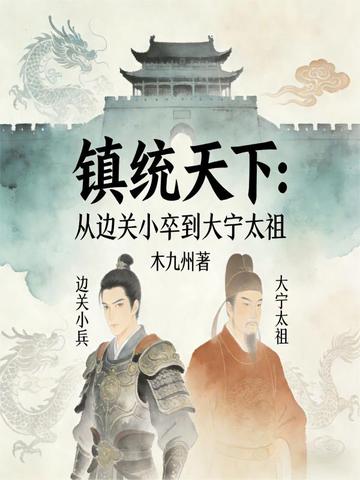 Ruling the Realm: From Border Guard to Taizu of Daning
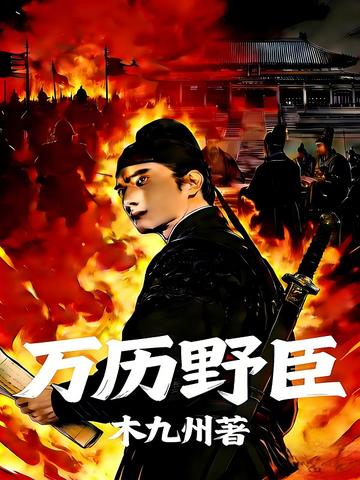 A Wild Official in the Wanli Era