Chen Jianjun's life began on a rainy morning in a leaky earthen house. At six, he trudged along muddy mountain paths to school, relying on his father's shoulders to shelter him from the rain. At thirteen, his father died in an accident. Crushed by poverty and grief, he was forced to leave his hometown. After transferring schools, his deskmate Yu Qin became a light in his bleak youth with half her lunch and a few words of encouragement.
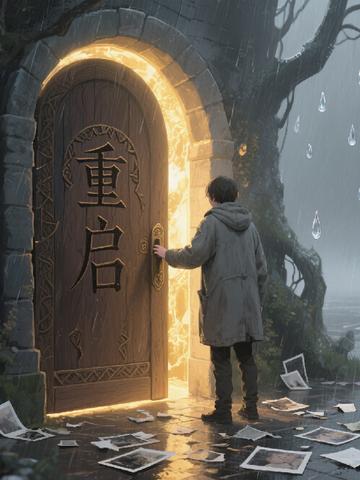
At sixteen, he clutched a military recruitment notice and headed to the army. Camouflage training in Chongqing wore away his childishness, but when Yu Qin's confession arrived, his insecurity made him hide his feelings. After leaving the military, he went to Chengdu to be with her. Their wedding, with no bride price, held the promise of a hopeful future. But life's hardships soon followed: working as a painter at a shipping container yard, failing as a real estate agent, and marital rifts caused by financial pressures. For a while, he lost himself in the despondency of playing mahjong.
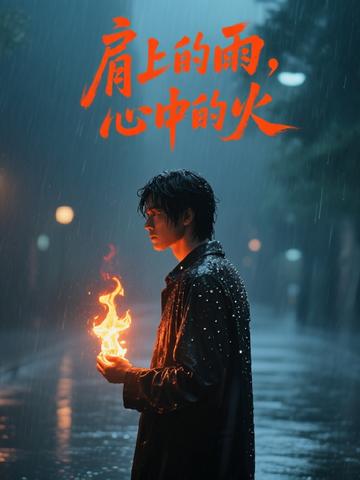
But the old smoking pipe his father left behind, the sight of his mother grinding soybeans for tofu pudding before dawn, his son Taotao's expectant eyes, and Yu Qin's unwavering concern helped him get back on his feet. From a tofu-pudding restaurant in his hometown to a small real estate agency in Jiang City, from having nothing to working tirelessly to make ends meet, Chen Jianjun carried the "rain on his shoulders" (hardship) and guarded the "fire in his heart" (hope).
This is the half-life epic of an ordinary man. It has no earth-shattering legends, yet holds the shared experience of millions: holding fast to family through poverty, embracing love through setbacks, and never giving up the hope of a "better life" amid the daily grind. In the warmth of everyday life, it captures the resilience and tenderness of an ordinary existence.